
Products
PV AC Combiner Box with DC Isolation Function
Taili provides PV AC Combiner Box with DC Isolation Function for photovoltaic projects where safe disconnection and centralized power management are required. The equipment is installed between the photovoltaic inverter output side and the grid-connected distribution cabinet or transformer, collecting AC output from multiple inverters and transmitting the combined power through a simplified connection structure.
Compared with traditional connection methods that require separate protection and isolation components, this product combines multiple electrical functions into one enclosure. It helps engineers create a more organized photovoltaic power distribution system while providing easier operation during inspection and maintenance.
Product Overview
In a photovoltaic power generation system, multiple inverters may work together to generate electricity. Before the power is connected to the next-stage electrical equipment, the output circuits need to be collected and managed properly. The PV AC Combiner Box with DC Isolation Function provides a centralized solution for this process.
The equipment collects AC output currents from several photovoltaic inverters and combines them into a main output circuit. At the same time, the isolation function allows operators to disconnect the circuit when maintenance or inspection is required, improving operational convenience.
Integrated Electrical Management
The product is designed to simplify photovoltaic electrical connection by combining current collection and protection components in a single cabinet structure.
Main functions include:
1. Current collection: Combines AC output from multiple photovoltaic inverters into a unified circuit.
2. Electrical protection: Supports over-current protection, short-circuit protection, lightning protection, and reverse charging protection according to system configuration.
3. Isolation operation: Equipped with DC circuit breaker or load isolation switch options, allowing manual disconnection and electrical separation when required.
Isolation Function Design
Safe isolation is an important requirement for photovoltaic electrical equipment. During system inspection, maintenance, or troubleshooting, operators need a reliable method to separate electrical circuits and reduce operational risks.
The PV AC Combiner Box with DC Isolation Function provides a segmented isolation structure through a DC circuit breaker or load isolating switch. This design allows the power supply circuit to be manually disconnected and creates a clear electrical isolation point for maintenance activities.
Why Isolation Matters
Photovoltaic systems often operate continuously for long periods. When electrical components need inspection or replacement, a proper isolation method helps technicians manage the working environment more efficiently.
The isolation structure provides:
1. Maintenance convenience: Allows operators to disconnect the related circuit before inspection or servicing.
2. Operational safety: Provides a visible separation point between connected electrical sections.
3. System management: Helps improve daily operation and maintenance procedures for photovoltaic projects.
Design Comparison
Different photovoltaic projects have different requirements for electrical management. The following comparison shows how an integrated isolation solution can simplify system configuration.
| Item | Traditional Connection Method | Integrated Isolation Solution |
| Equipment structure | Separate components installed individually | Integrated cabinet structure |
| Maintenance operation | Requires checking multiple devices | Centralized operation and inspection |
| Cable arrangement | More complicated wiring structure | Simplified connection layout |
| System management | Distributed protection points | Centralized electrical management |
Technical Specifications
The PV AC Combiner Box with DC Isolation Function is available in different configurations to match photovoltaic system requirements. Taili provides multiple models with different input ways and output current options, allowing customers to select suitable equipment according to inverter quantity and project design.
| Model | BWX-AC4 | BWX-AC6 | BWX-AC8 |
| Input ways | 1-4 | 5-6 | 7-8 |
| Input voltage | AC690V | ||
| Input current | 0-1000A | ||
| Output current | 250A | 400A | 630A |
| Rated working voltage Un | 480VAC | ||
| Protective voltage Up | ≤3.2kV | ||
| Standard throughput In(8/20μs) | 20kV (Optional according to customer requirements) | ||
| Max throughput capacity Imax(8/20μs) | 40kV (Optional according to customer requirements) | ||
| Corresponding time | <25ns | ||
| Operating environment | Temperature: -40~+85℃, humidity 95%, non-condensing, non-corrosive gas locations | ||
| Altitude | ≤4000m | ||
| Enclosure material | Hot-dip galvanized steel / stainless steel / cold rolled steel or others | ||
| IP class | IP65 | ||
| Cable plug IP class | IP66 | ||
| Size (W.H.D) | 800*600*200mm | 800*800*200mm | 800*1000*200mm |
Outdoor Protection Structure
Photovoltaic equipment installed outdoors needs to maintain stable performance under changing environmental conditions. The enclosure design of this product considers the requirements of outdoor photovoltaic applications and provides protection for internal electrical components.
The PV AC Combiner Box with DC Isolation Function uses an IP65 enclosure structure. The cabinet can be manufactured with hot-dip galvanized steel, stainless steel, cold rolled steel, or other materials according to customer requirements, providing flexibility for different installation environments.
Protection Features
The equipment is designed with protection functions that support reliable photovoltaic system operation.
1. Enclosure protection: IP65 cabinet protection helps reduce the impact of dust and water exposure on internal components.
2. Cable protection: Cable plug protection reaches IP66 to improve connection reliability.
3. Environmental adaptability: Suitable for operating temperatures from -40℃ to +85℃ and humidity conditions up to 95% in non-condensing environments.
Photovoltaic Application Scenarios
The product is designed for photovoltaic systems where multiple inverter outputs need to be collected and managed. By integrating current collection and isolation functions, it provides a practical electrical connection solution for different solar applications.
Common Installation Areas
Typical application environments include:
1. Large solar power plants: Used for centralized collection of AC outputs from multiple photovoltaic inverters.
2. Commercial photovoltaic projects: Helps organize electrical connections in distributed solar systems.
3. Industrial rooftop solar systems: Provides a structured solution for photovoltaic power distribution and maintenance.
4. Outdoor renewable energy facilities: Suitable for projects requiring protected electrical equipment installed outside.
Taili Service Support
Taili focuses on photovoltaic electrical equipment and provides product solutions based on customer application requirements. During the purchasing process, customers can share technical parameters and installation conditions so that suitable configurations can be discussed.
As a China manufacturer of photovoltaic electrical products, Taili pays attention to product details, technical communication, and practical application requirements. The company supports customers by confirming project information before production and providing necessary product information for installation and operation.
Before Purchasing
To help provide a suitable solution, customers can prepare:
1. Application information: Installation environment, photovoltaic project type, and system structure.
2. Electrical requirements: Required voltage, current, inverter quantity, and related technical parameters.
3. Product requirements: Enclosure material preference, installation conditions, and other customized requirements.
Product Summary
The PV AC Combiner Box with DC Isolation Function combines AC current collection, protection functions, and isolation capability in one electrical enclosure. With IP65 protection, flexible enclosure material options, and multiple model configurations, it provides a practical choice for photovoltaic projects that require organized wiring and convenient maintenance.
Taili continues to provide photovoltaic electrical solutions for customers with different project requirements, helping improve the efficiency and reliability of solar power system connections.
Frequently Asked Questions
Q: What is the function of the isolation design in this photovoltaic equipment?
A: The isolation design allows operators to disconnect the related electrical circuit when inspection, maintenance, or troubleshooting is required. Through a DC circuit breaker or load isolation switch, the equipment can provide a clear electrical separation point for safer operation and easier maintenance.
Q: How does this product connect with photovoltaic inverters?
A: This product is installed between the photovoltaic inverter output side and the grid-connected distribution cabinet or transformer. It collects AC output from multiple inverters and combines the current into a main output circuit before transmission to the next-stage equipment.
Q: What is the difference between a normal AC combiner box and a model with isolation function?
A: A standard AC combiner box mainly focuses on current collection and protection, while a model with isolation function adds an electrical separation method through a circuit breaker or isolation switch. This makes maintenance operations more convenient because technicians can disconnect the related circuit when necessary.
Q: Is this equipment suitable for outdoor photovoltaic installation?
A: Yes. The enclosure protection level is IP65, and the cable plug protection level reaches IP66. The equipment can be used in outdoor photovoltaic applications where protection against dust and water exposure is required.
Q: What technical information should be confirmed before ordering?
A: Customers should provide information such as photovoltaic application scenario, system technical parameters, inverter quantity, required current capacity, and installation conditions. This information helps confirm a suitable product configuration.
Q: What enclosure materials are available for this product?
A: According to customer requirements, enclosure materials can include hot-dip galvanized steel, stainless steel, cold rolled steel, or other suitable materials. The final selection depends on project conditions and installation requirements.
Q: What models are available for this photovoltaic combiner equipment?
A: The available models include BWX-AC4, BWX-AC6, and BWX-AC8. Different models provide different input ways and output current options to match various photovoltaic system designs.
Q: Can the product configuration be adjusted according to project requirements?
A: Customers can provide application scenarios and technical parameters to Taili. According to the project requirements, product specifications and configuration details can be discussed before production.

Please provide the following information, and we will be able to offer better services.
| Product application scenarios | |
| Product technical parameters |
Related Products


Hot Products
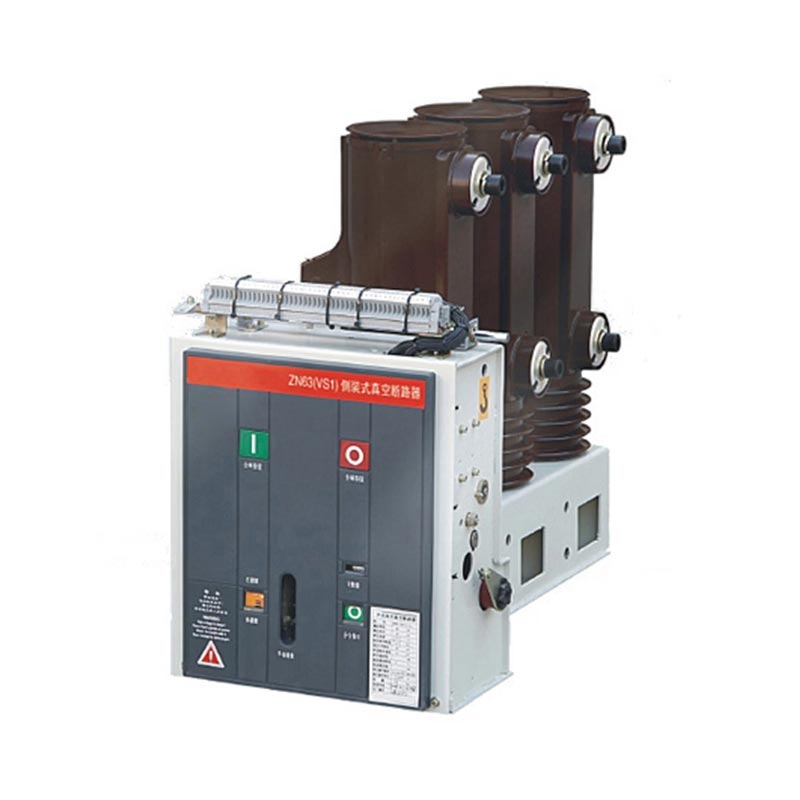
ZN63 Indoor VCB
ZN63 Indoor VCB, also known as VS1 vacuum circuit breaker, is one of Taili's high-quality products. You can choose us as your manufacturer and supplier. It has a rated voltage of 12kV and is an indoor, middle-mounted vacuum circuit breaker for 10kV power distribution systems.
24kV SF6 Gas Insulated Switchgear
To buy high quality 24kV SF6 Gas Insulated Switchgear, you can choose Taili as your manufacturer and enjoy our factory prices. It is a medium-voltage switchgear that utilizes SF6 gas for high insulation and efficient arc extinguishing, and seals all high-voltage components within a grounded metal enclosure.
3-Phase Oil Immersed Distribution Transformer
The 3-Phase Oil Immersed Distribution Transformers produced by Taili factory are transformers that utilize insulating oil as both the insulation and cooling medium. It can be used to reduce the medium voltage in the power system to the low voltage suitable for user consumption.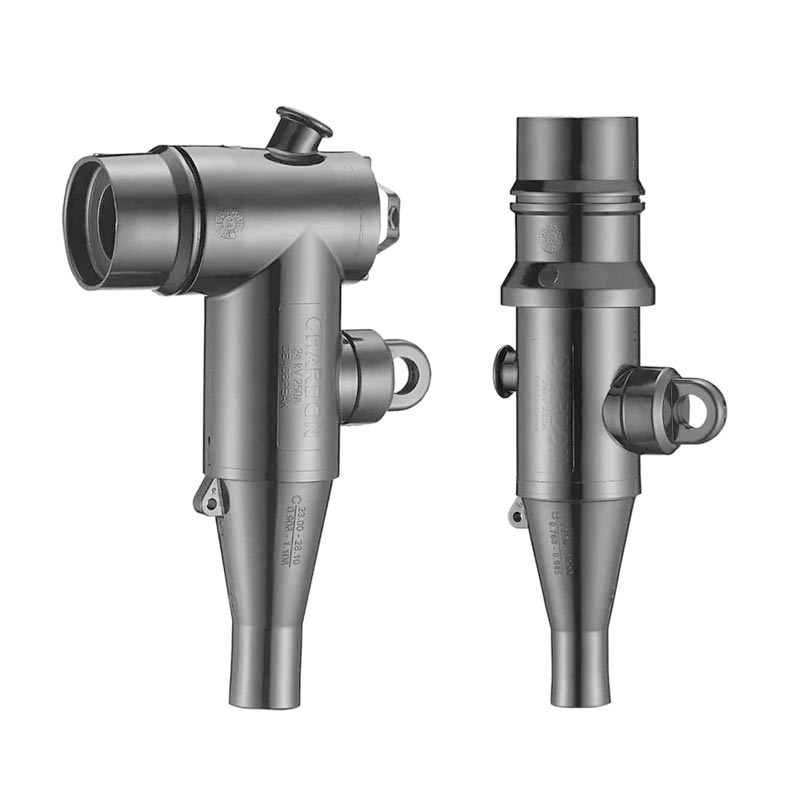
250A Separable Connector
Taili is a supplier of 250A Separable Connectors, which are key components for achieving insulation, modularization and miniaturization in modern medium-voltage distribution networks. This product is not merely a connector but also a safety system integrating multiple functions such as connection, insulation, isolation and testing.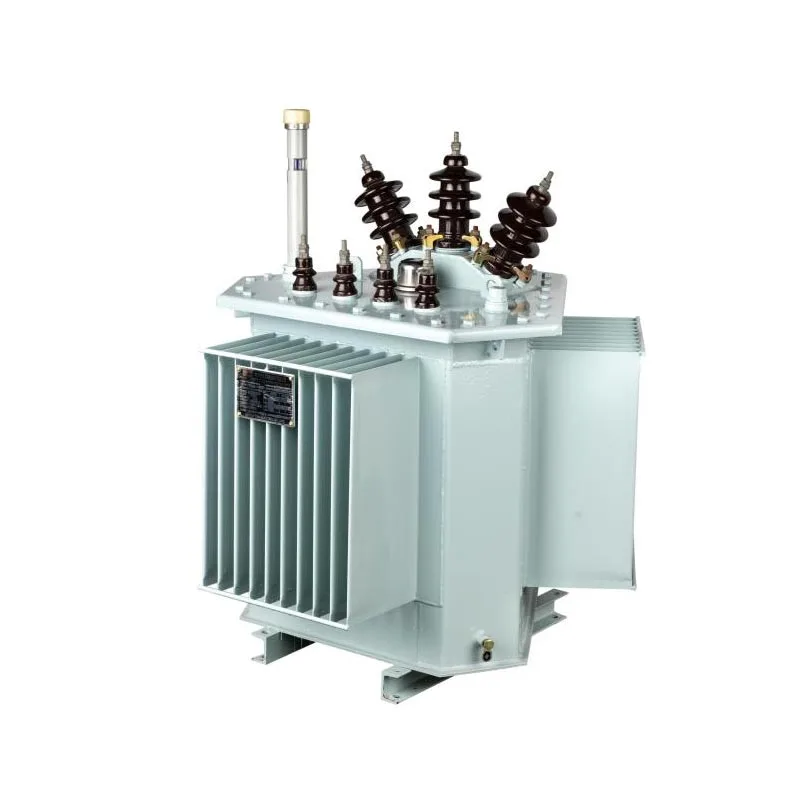
3D Wound Core Oil-Immersed Transformer
As the most professional supplier of transformer, Taili’s 3D Wound Core Oil-Immersed Transformer is a highly efficient and energy-saving power transformer. It adopts a three-phase three-dimensional symmetrical structure instead of the traditional planar structure, shortening and symmetrizing the magnetic circuit design without air gaps. This significantly reduces no-load losses, no-load current, and operating noise. It features energy conservation, environmental protection, compact structure, and strong short-circuit resistance, and is widely used in urban and rural power grid renovations.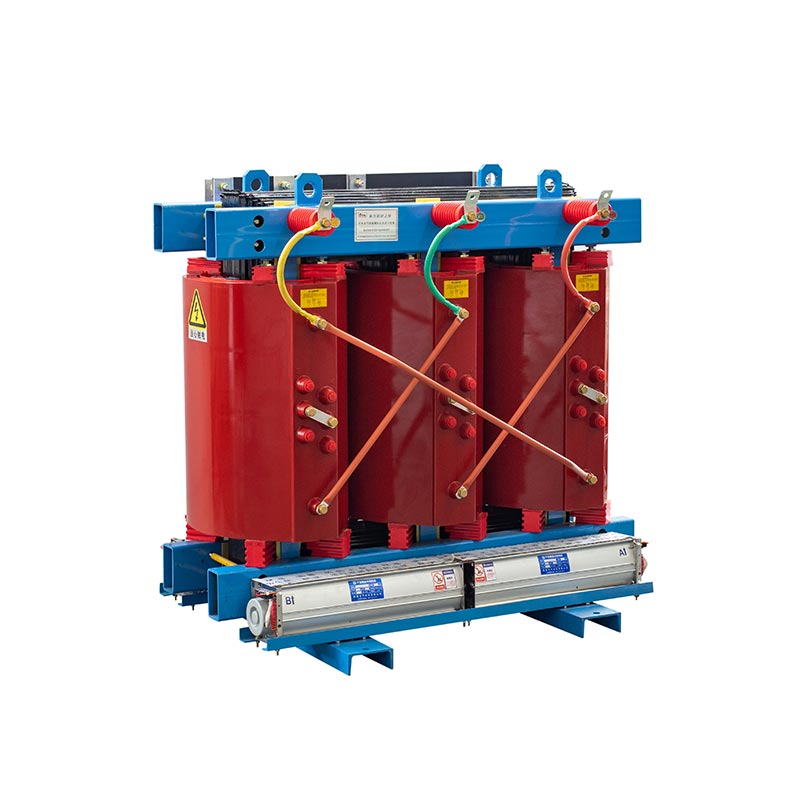
Epoxy Resin Cast Dry Type Distribution Transformer
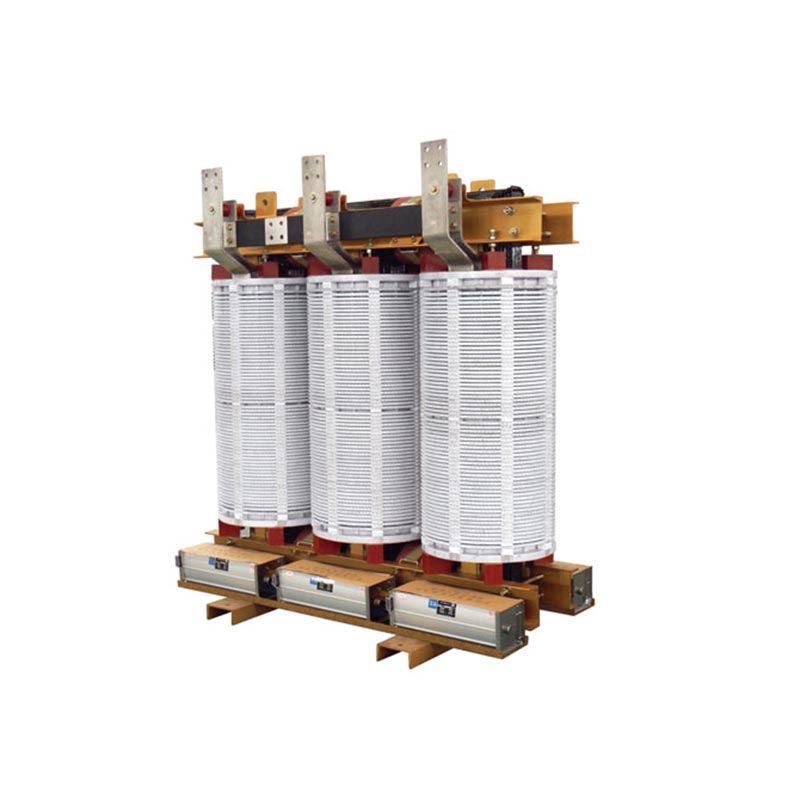
As a professional transformer manufacturer in China, Taili Electric's Epoxy Resin Cast Dry Type Distribution Transformers are mainly used in industries, commerce and even public utilities, as they can easily meet the power transmission requirements of both small and medium-sized scales.
- Related Blog
- Reviews
