Products
China Advanced Modular Switchgear Manufacturer and Supplier
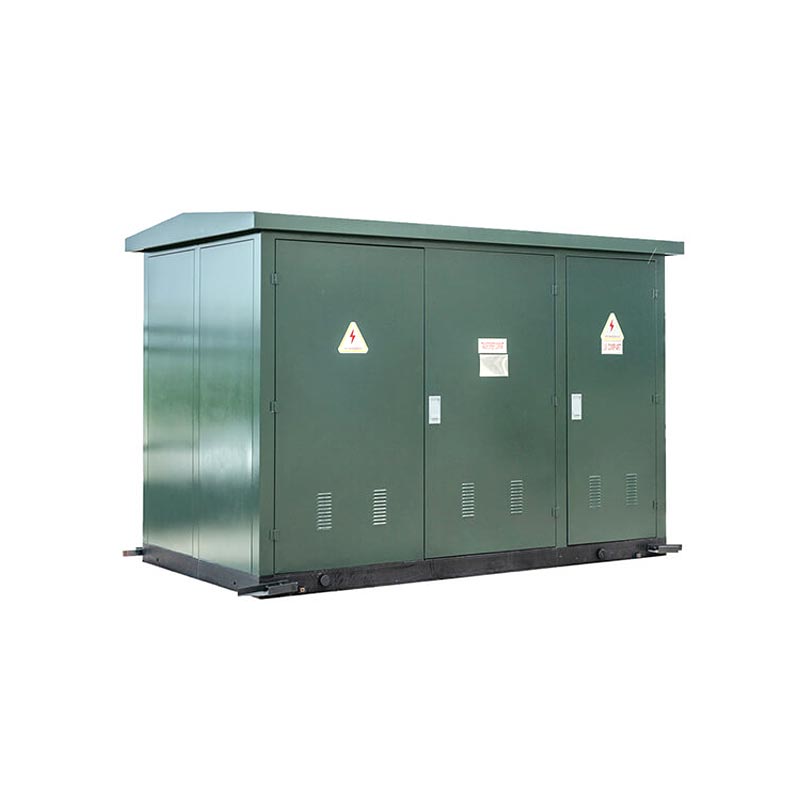
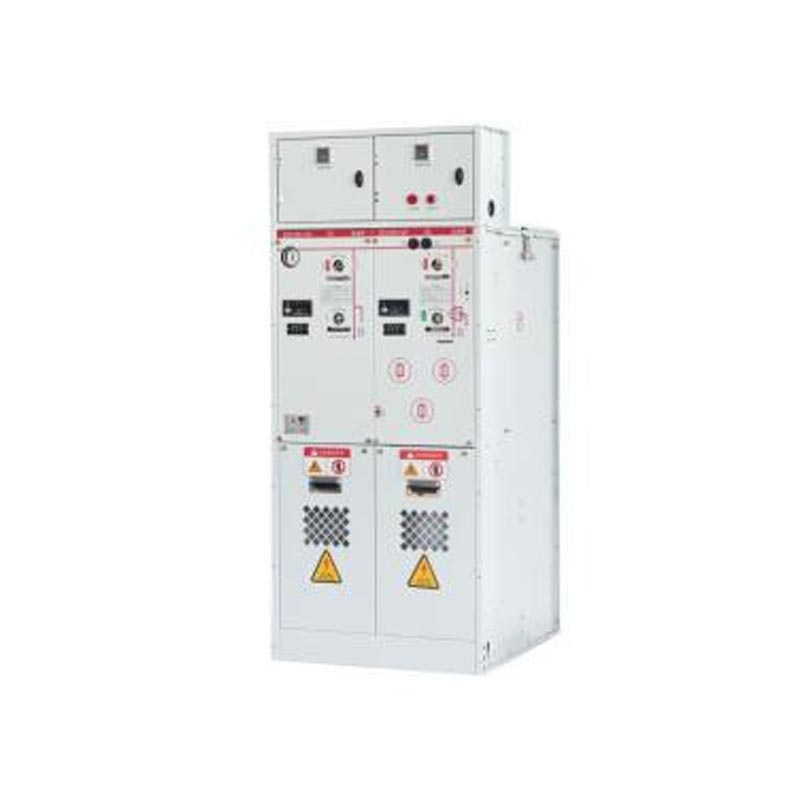
The modular switchgear is one of TAILI factory's products. This product is a type of switch equipment that consists of functional modules which have been pre-designed and manufactured with standard interfaces and uniform dimensions. These modules can be quickly assembled, expanded or reorganized in the factory or on-site to form a complete power distribution circuit.
"Modularization" of modular switchgear is manifested at three levels:
1. Electrical functional modularization: Each standard module (such as circuit breaker module, metering module, capacitor compensation module) is a complete and independent functional unit.
2. Physical structure modularization: The cabinet frame, partitions, busbar system, etc. also use standardized components, facilitating assembly and expansion.
3. Interface standardization: Electrical connections (primary busbar, secondary plugs), mechanical connections (fixed holes, rails), and communication interfaces all follow unified standards, ensuring "plug-and-play."
Product advantages
1. Extremely high flexibility: Capable of easily adapting to changes in load, process modifications or expansion requirements, making it an ideal choice for future factories (adapted to rapid production line adjustments) and data centers (with high density and rapid deployment).
2. Shorten project cycle: Factory prefabricated modules, quickly assembled on-site, significantly shorten the entire cycle from design, production to installation and commissioning.
3. Enhance reliability: Standardized production processes and strict factory tests ensure the quality of each module. The reliability of the plug-in interface has also been repeatedly verified.
4. Simplify operation and maintenance: Maintenance personnel only need to be familiar with a few standard modules, the spare parts management is simple, and when a fault occurs, the module can be quickly located and replaced to restore power supply.
5. Save space: The compact modular design usually enables higher space utilization, especially in space-constrained situations.
6. Facilitate digital integration: Standardized interfaces make it easier to integrate intelligent sensors and communication modules, laying the hardware foundation for building an intelligent power distribution system.
Application scenario
1. Data center: Requires rapid deployment, high-density power distribution and elastic expansion.
2. Modern industrial buildings: Production lines are frequently adjusted and loads often change.
3. Commercial complexes and hospitals: Constructed in phases, with clear expansion requirements in the later stages and high demands for power supply continuity.
4. New energy projects (such as photovoltaic power stations): Require standardized, rapid batch deployment of substation switchgear.
5. Any scenarios with high requirements for the flexibility of future power distribution systems.
- View as
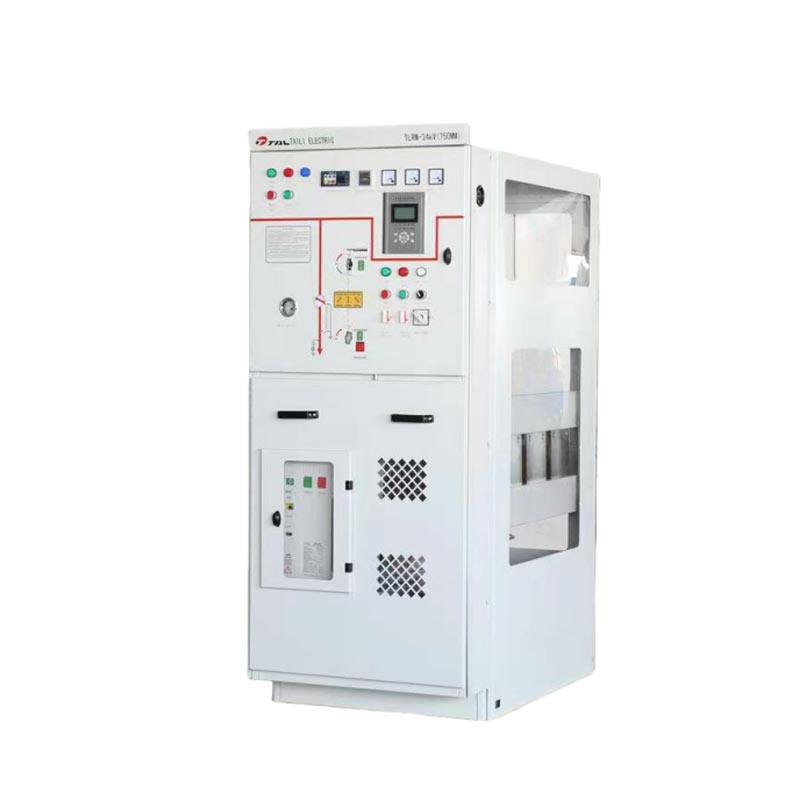
Metal Enclosed Modular Switchgear
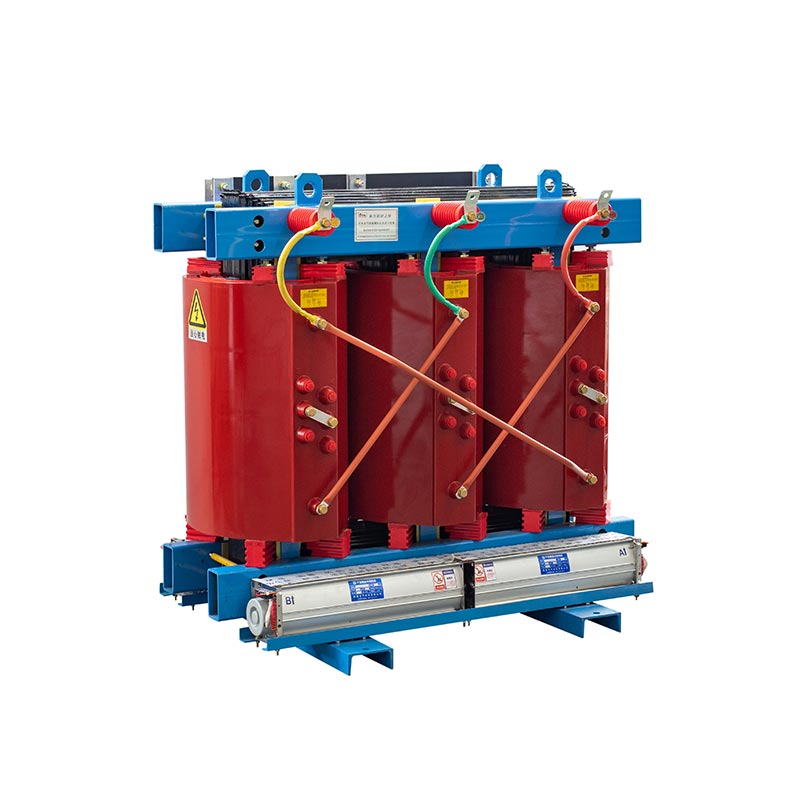
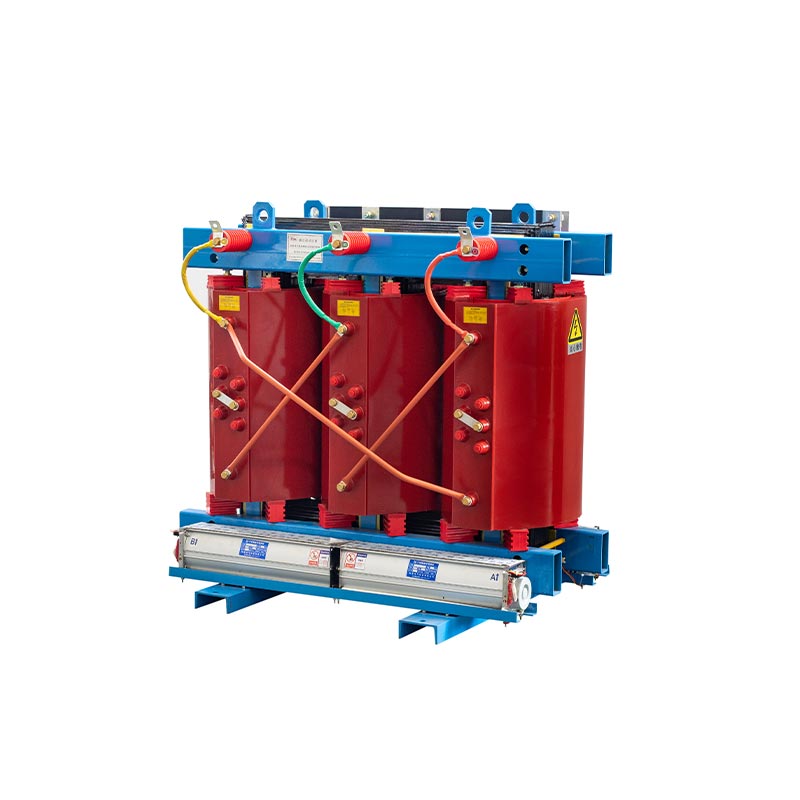
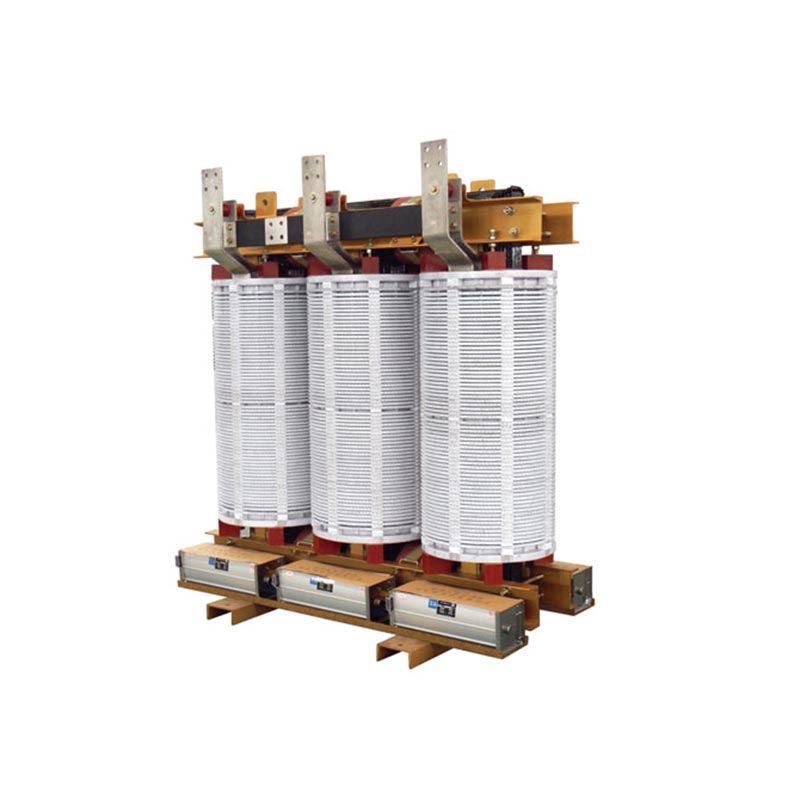
The Metal Enclosed Modular Switchgear from China Taili factory is a complete set of power distribution equipment that integrates all necessary components of the power system, including switches, protection, control, measurement and connection, and installs them within a grounded metal enclosure, with a standardized modular design.
As a reliable Modular Switchgear manufacturer and supplier in China, we have our factory. If you want to buy quality and durable products, please contact us.