Products
Durable and Advanced SF6 Gas Insulated Switchgear Factory
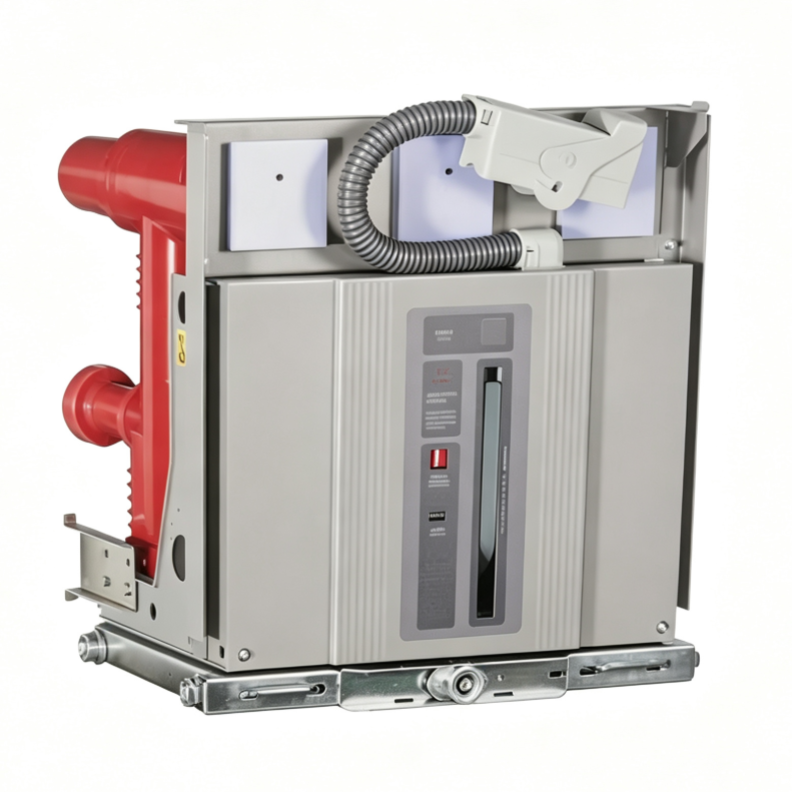
Taili is a China SF6 gas insulated switchgear manufacturer. This product is a compact type of switchgear that integrates circuit breakers, disconnectors, grounding switches, transformers, busbars and other high-voltage live components, all enclosed within a metal casing filled with a constant low-pressure SF₆ gas.
Why use SF6 gas?
The SF₆ gas is the key to the remarkable performance improvement of this equipment. It possesses the following unparalleled characteristics:
1. Outstanding insulation performance: Under the same pressure, its insulation strength is more than 2.5 times that of air. At 0.3-0.4 MPa (approximately 3-4 atmospheres), its insulation capability is comparable to that of transformer oil. This enables the distance between charged components to be significantly reduced, thus achieving miniaturization of the equipment.
2. Extremely strong arc-extinguishing ability: SF₆ gas has excellent negative electrical properties, which can quickly capture and combine the free electrons in the arc, causing the arc to extinguish rapidly when the current crosses zero, and without reignition. Its arc-extinguishing ability is 100 times that of air.
Highlighting the advantages (compared with traditional air-insulated switchgear)
1. Extremely high reliability and safety:
Fully insulated and fully sealed: unaffected by external environment, suitable for harsh conditions.
Personal safety: all energized components are enclosed within a metal casing, eliminating the risk of electric shock.
2. Compact structure, saving space.
3. Long lifespan, no maintenance required.
4. Modular design, flexible expansion.
5. Simple installation, all assembly, debugging and inflation are completed before leaving the factory. On-site only requires splicing, cable connection and power-on testing.
Main application scenarios
The SF₆ gas-filled cabinet is the preferred solution for "harsh environments" and "space-constrained" situations.
1. Urban power grid (ring network supply): As a 10kV/20kV ring network cabinet, it is the hub node of the urban power distribution network.
2. Underground facilities: Power distribution substations for subways, tunnels, and integrated pipe galleries.
3. High-rise buildings and commercial centers: Underground substations and floor-level distribution rooms.
4. Harsh industrial environments: Offshore platforms, petrochemical plants, mines, cement factories, etc.
5. New energy stations: Collection lines and distribution parts of wind power and photovoltaic step-up substations.
6. Rail transit: Power distribution sections of high-speed rail traction substations.
7. Demand-side substations: As the incoming lines and distribution cabinets of user terminal substations.
When to choose SF6 gas insulated switchgear?
1. The installation space is extremely limited (such as in urban core areas, underground).
2. The operating environment is harsh (damp, dusty, salt fog, high altitude).
3. The power supply reliability is extremely demanding, and it is hoped to minimize faults caused by external factors to the greatest extent.
4. The project attaches great importance to the total life cycle cost and is willing to accept a higher initial investment in exchange for long-term maintenance-free and low failure rates.
5. This is a solution for compact upgrading and expansion of the existing substation.
- View as

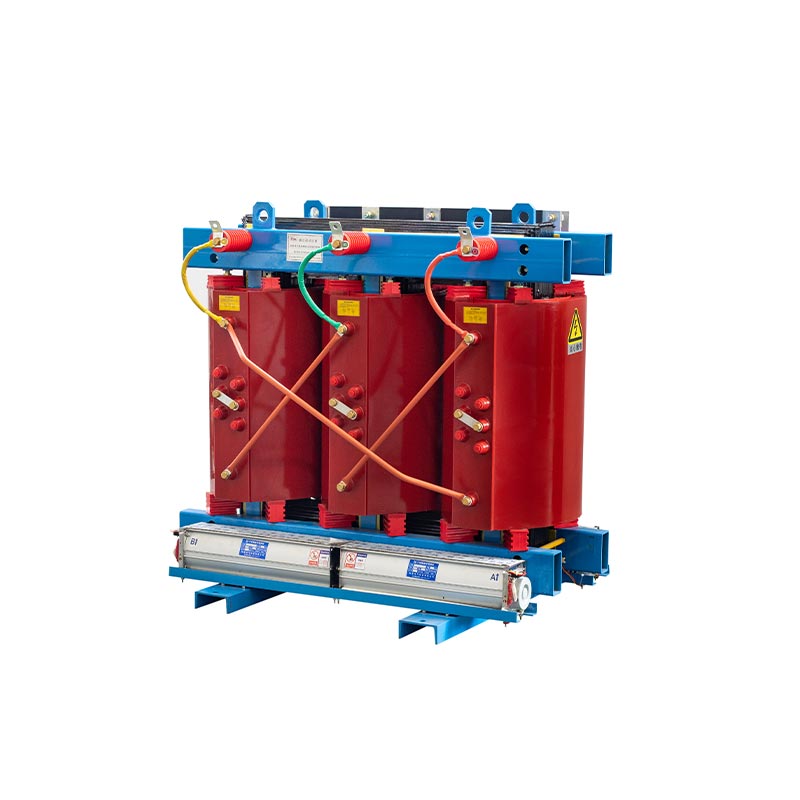
36kV SF6 Gas Insulated Switchgear
As a leading manufacturer in medium and low voltage switchgears, Taili produces the 36kV SF6 Gas Insulated Switchgear, which is an advanced medium-voltage switchgear designed for higher voltage levels and more demanding application environments. By adopting SF6 gas insulation and sealed gas box technology, it has successfully addressed the two core challenges of large equipment size and poor environmental adaptability at 36kV voltage.
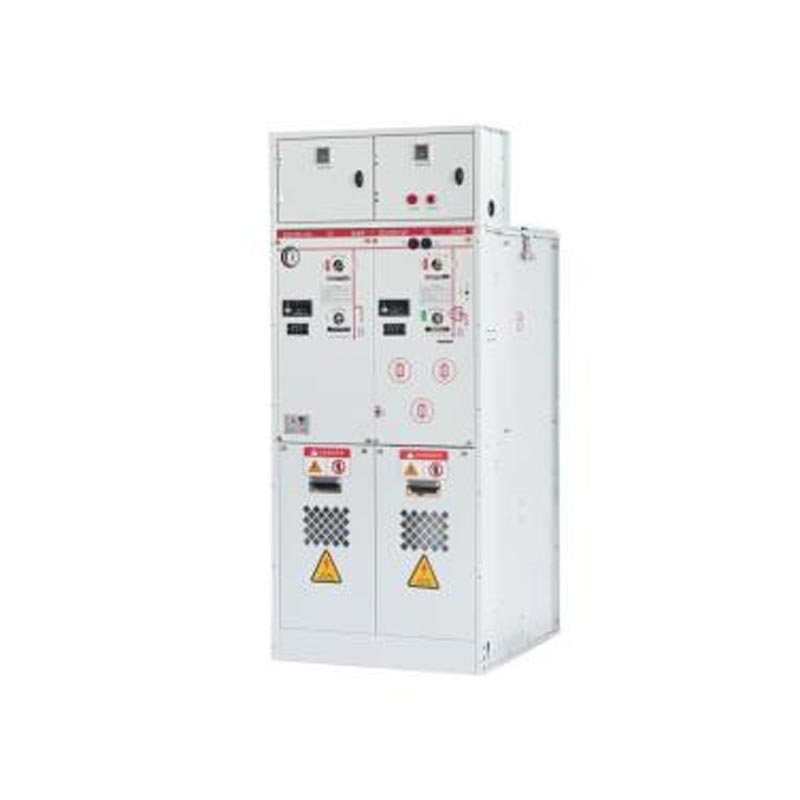
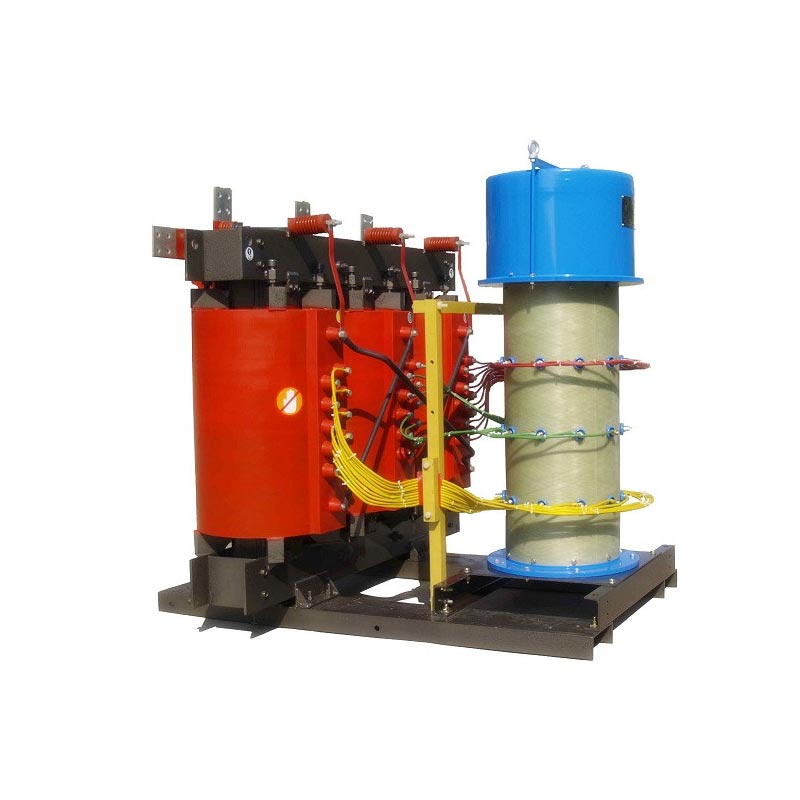
12kV SF6 Gas Insulated Switchgear
Taili can be your manufacturer and supplier of 12kV SF6 Gas Insulated Switchgear, a medium-voltage switchgear that uses SF6 gas as the insulating and arc-extinguishing medium for indoor applications. It integrates various switch functions (such as load switches, circuit breakers) into a sealed, SF6-filled compartment, featuring a compact structure, high reliability, and convenient maintenance.

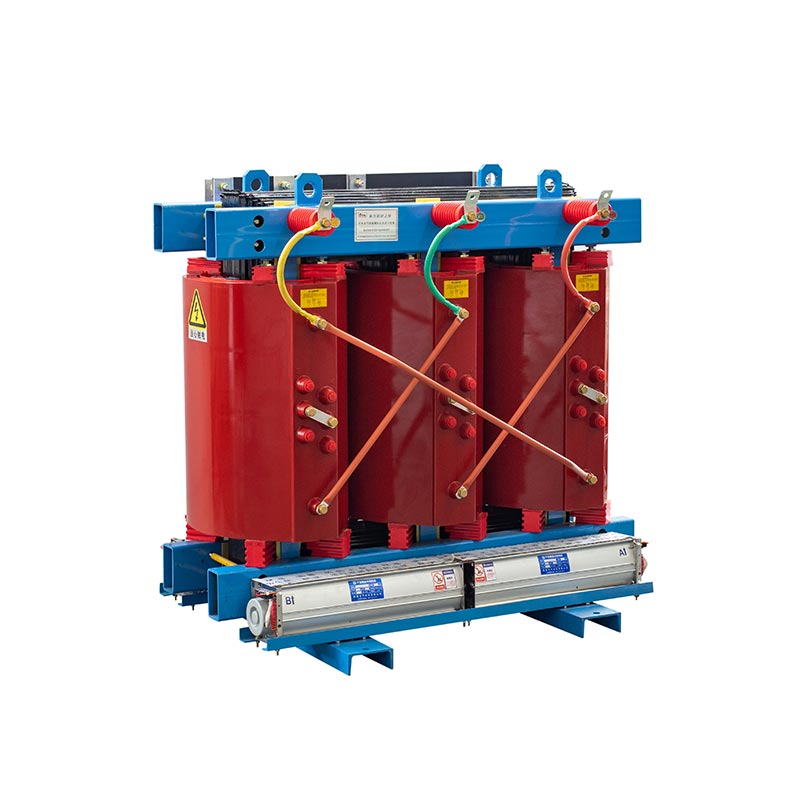
24kV SF6 Gas Insulated Switchgear
To buy high quality 24kV SF6 Gas Insulated Switchgear, you can choose Taili as your manufacturer and enjoy our factory prices. It is a medium-voltage switchgear that utilizes SF6 gas for high insulation and efficient arc extinguishing, and seals all high-voltage components within a grounded metal enclosure.

24KV Semi‑insulated Gas‑Insulated Switchgear (GIS)
Choose TaiLi Electric 24kV semi-insulated switchgear for reliable medium-voltage power distribution. TaiLi Electric 24kV semi-insulated switchgear is a compact SF₆-insulated metal-enclosed unit rated at 24kV, 630A, 50/60Hz. It features a fully sealed stainless steel tank with all live parts enclosed, ensuring maintenance-free operation and IP67 protection. Ideal for ring networks, secondary substations, industrial facilities, and renewable energy projects.
As a reliable SF6 Gas Insulated Switchgear manufacturer and supplier in China, we have our factory. If you want to buy quality and durable products, please contact us.