News
How to Choose the Right Medium Voltage Switchgear for Your Power Distribution Project?
When planning a power distribution system, choosing the right medium voltage switchgear is an important decision. The switchgear is responsible for controlling, protecting, isolating and distributing electrical power, so its configuration directly affects system safety, reliability, maintenance and overall project cost.
However, there is no single switchgear solution suitable for every project. The correct choice depends on the system voltage, load current, short-circuit level, installation environment, network structure, protection requirements and applicable standards. This guide explains the key factors that should be considered before selecting equipment for a medium-voltage distribution project.
1. Start with the Electrical System Requirements
The first step is to understand the basic electrical parameters of the project.
Rated Voltage
The rated voltage of the switchgear must match the operating voltage of the electrical network. Common medium-voltage distribution systems include 12 kV, 24 kV and 36 kV, although the actual voltage level depends on the local grid and project requirements.
It is important to distinguish between the system's normal operating voltage and the equipment's rated voltage. The selected equipment should provide an appropriate insulation level for the system rather than simply matching the nominal voltage.
Rated Current
Rated current should be selected according to the expected continuous load current. Typical values may include 630 A, 1250 A, 1600 A, 2000 A or higher.
Oversizing the current rating can increase equipment cost and cabinet dimensions, while an undersized rating may result in excessive temperature rise and reduced operating reliability. The transformer capacity, feeder load and future expansion should therefore be considered together.
Short-Circuit Current
Short-circuit capability is one of the most important technical parameters when selecting medium-voltage equipment.
The project should determine the prospective short-circuit current at the installation point. The switchgear assembly, busbar system and circuit breaker must have suitable short-circuit withstand and breaking capabilities for the actual fault level.
For example, a project with a high prospective fault current may require a higher-rated vacuum circuit breaker and stronger busbar support than a small commercial distribution system.
2. Choose the Appropriate Switchgear Configuration
After confirming the electrical parameters, the next question is what type of switchgear is most suitable for the application.
Air-Insulated Switchgear
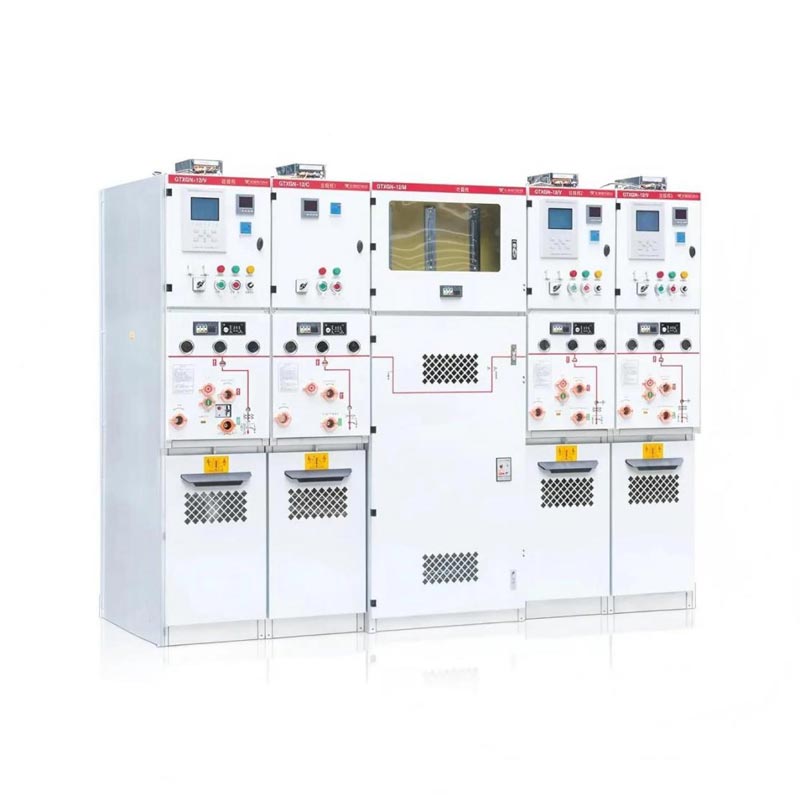
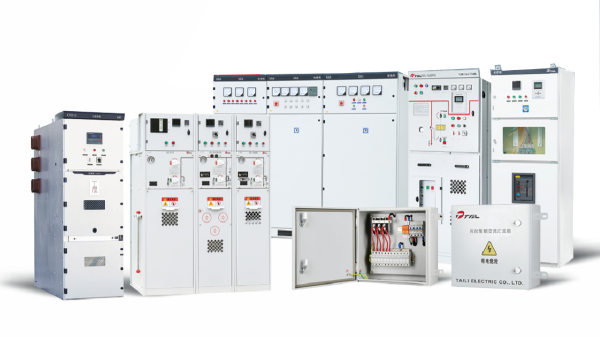
Air-insulated switchgear is widely used in industrial plants, commercial buildings, substations and distribution rooms. It normally provides a relatively straightforward structure and can be a practical choice when sufficient installation space is available.
Metal-enclosed and metal-clad designs can also provide compartmentalized construction, helping separate the busbar, circuit breaker and cable areas.
Gas-Insulated Switchgear
Gas-insulated switchgear can be considered when space is limited or when enhanced environmental protection is required. Its sealed construction allows the primary electrical components to be protected from dust, humidity and other external conditions.
For projects requiring compact dimensions, higher environmental adaptability or a sealed primary circuit, GIS can be an attractive option.
Solid-Insulated Switchgear
Solid-insulated technology uses solid insulating materials, such as epoxy resin, to encapsulate key energized components. This approach can provide a compact structure without relying on SF₆ gas as the primary insulation medium.
It can be considered for modern distribution networks where compact dimensions, environmental considerations and reliable insulation performance are important.
RMU for Secondary Distribution
For ring networks and secondary distribution systems, a Ring Main Unit (RMU) can be a more appropriate solution than a conventional withdrawable switchgear lineup.
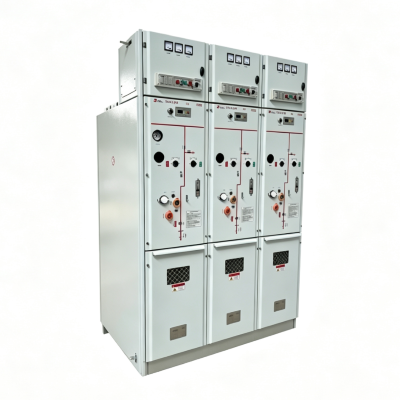
RMUs are designed for compact installation and can combine load switches, circuit breakers, earthing switches and protection functions according to the network configuration. They are commonly used in urban distribution networks, commercial buildings, industrial facilities and compact substations.
3. Consider the Protection and Switching Requirements
The equipment should not be selected only according to voltage and current. The protection philosophy of the project is equally important.
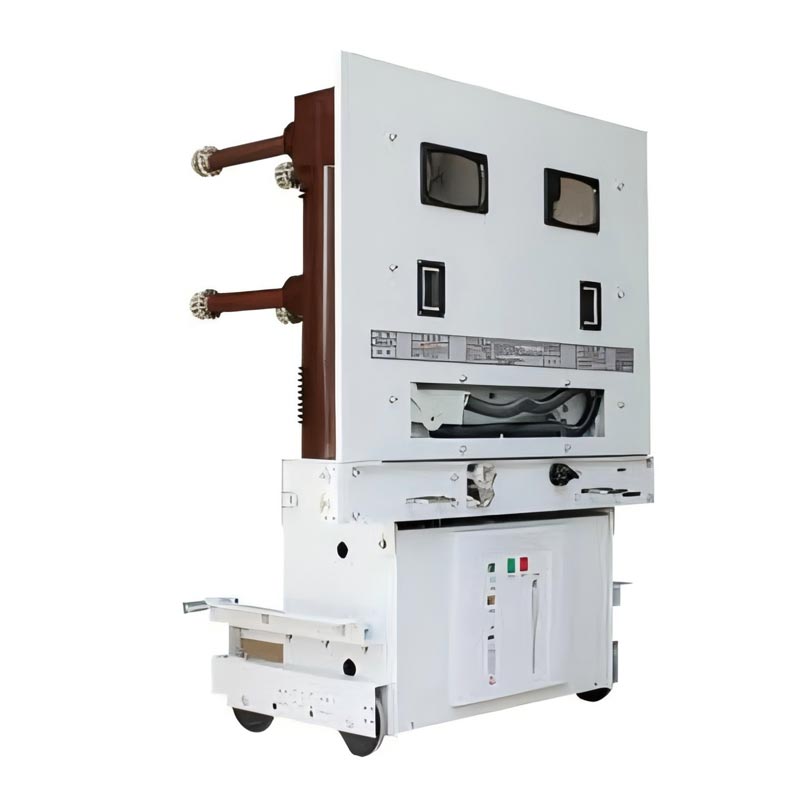
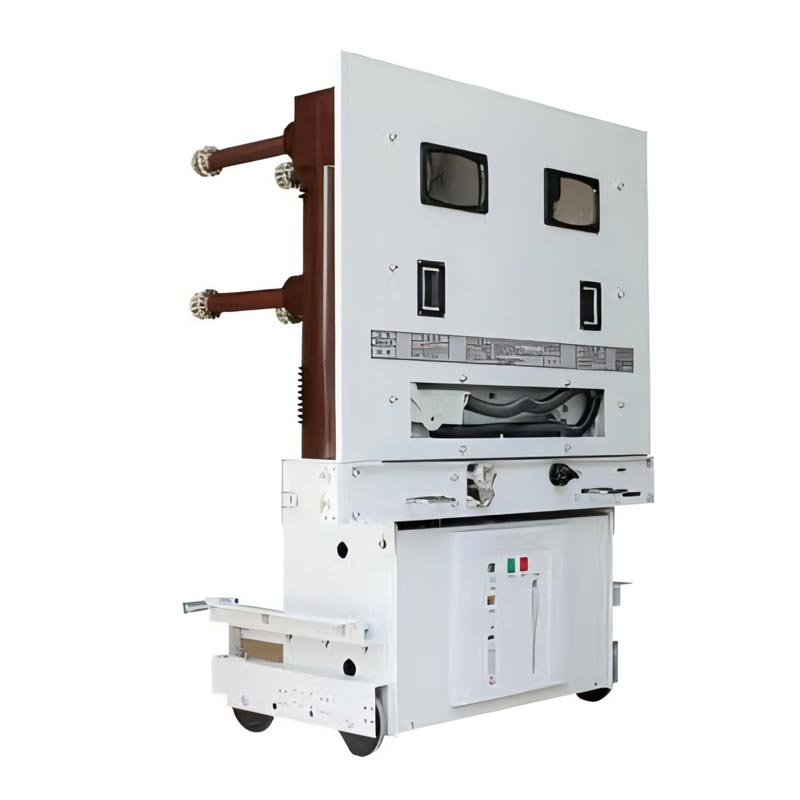
A circuit-breaker-based feeder may be appropriate when the system requires automatic fault interruption, relay protection, measurement and more advanced control functions. Vacuum circuit breakers are widely used in medium-voltage applications because they provide reliable switching and fault interruption.
For simpler distribution applications, a load switch or load switch-fuse combination may be sufficient. The choice depends on the required protection function, transformer capacity, fault level and coordination with upstream and downstream equipment.
Protection relays, current transformers, voltage transformers, metering devices and communication interfaces should also be considered during the initial design rather than added after the cabinet configuration has already been finalized.
4. Evaluate the Installation Environment
Environmental conditions can have a significant influence on switchgear selection.
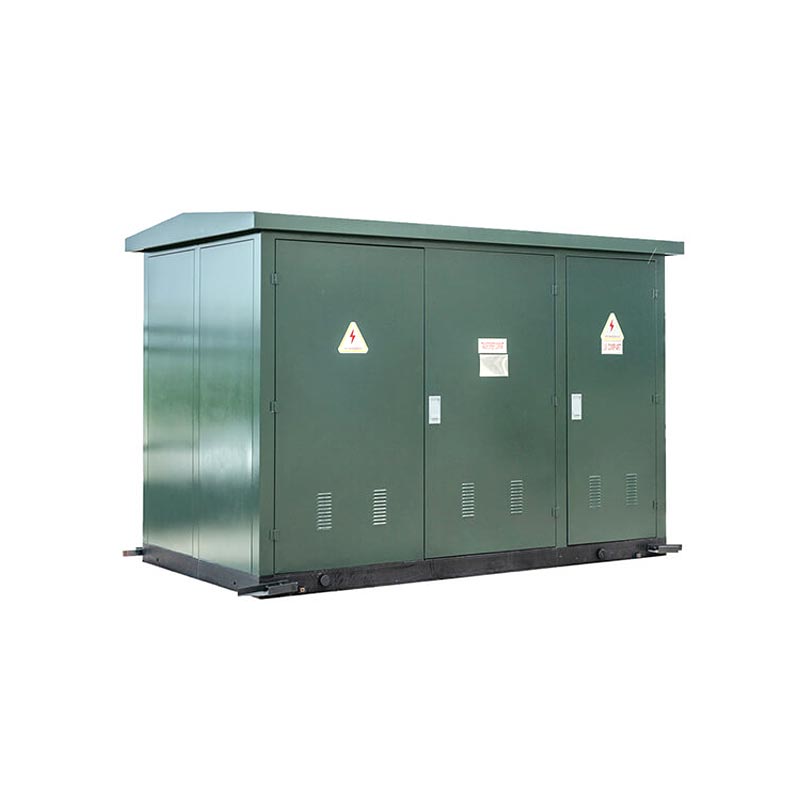
For indoor applications, consider room dimensions, ventilation, humidity, altitude, access for maintenance and cable entry direction. For outdoor installations, additional attention should be given to temperature, dust, rain, solar radiation and enclosure protection.
If the project is located in a high-altitude or particularly hot, cold, humid or dusty environment, the standard product configuration may require technical verification or derating.
The installation method should also be considered. A fixed installation may be suitable for simple distribution systems, while withdrawable switchgear can offer additional operational and maintenance flexibility.
5. Check Applicable Standards and Project Specifications
Before placing an order, confirm which technical standards apply to the project.
For IEC-based projects, standards in the IEC 62271 series are commonly relevant to medium-voltage switchgear and switching equipment. The exact standards and test requirements should be confirmed according to the equipment type and project specification.
In addition to international standards, local utility requirements, grid-company specifications, customer standards and certification requirements may affect the final design.
A switchgear supplier should therefore review the complete technical specification rather than quoting only according to a product name such as “12 kV switchgear” or “24 kV switchgear.”
6. Consider Future Expansion and Maintenance
A good switchgear solution should not only satisfy today's load requirements. Future expansion should also be considered.
For example, a distribution system may initially require only several outgoing feeders but may need additional feeders after the plant expands. Reserving sufficient space, busbar capacity and protection interfaces at the design stage can reduce modification costs later.
Maintenance requirements should also be evaluated. The accessibility of the circuit breaker, cable compartment, busbar compartment and control components can affect maintenance time and operational safety.
For larger industrial or utility projects, these details can have a significant impact on the total cost of ownership.
7. Compare the Total Project Cost, Not Only the Purchase Price
The lowest initial quotation is not always the most economical solution.
When comparing different switchgear suppliers, consider the complete project cost, including equipment price, transportation, installation, commissioning, spare parts, maintenance and potential future expansion.
A compact GIS solution may have a higher initial cost than conventional air-insulated equipment but may reduce space requirements. Similarly, a withdrawable circuit-breaker solution may cost more initially but provide additional operational flexibility.
Therefore, the selection of medium voltage switchgear should be based on the balance between technical performance, project requirements, installation conditions and long-term operating costs.
8. What Information Should You Send to a Switchgear Manufacturer?
To obtain an accurate technical proposal and quotation, it is useful to provide the supplier with as much project information as possible.
The basic information normally includes:
- System rated voltage
- Rated frequency
- Main busbar current
- Feeder current
- Short-circuit current
- Single-line diagram
- Number of incoming and outgoing feeders
- Transformer capacity
- Cable size and cable entry direction
- Protection and relay requirements
- CT and VT requirements
- Indoor or outdoor installation
- Required enclosure or IP rating
- Internal arc requirements, if applicable
- Applicable standards
- Overall dimension restrictions
- Local utility or customer specifications
With this information, the manufacturer can recommend a configuration that is technically suitable rather than simply offering a standard cabinet.
Conclusion
Selecting the right medium voltage switchgear requires more than choosing a voltage level and cabinet size. The decision should consider electrical ratings, short-circuit performance, switchgear technology, protection requirements, installation conditions, applicable standards, maintenance and future expansion.
For example, air-insulated switchgear may be suitable for conventional indoor distribution rooms, while GIS or solid-insulated equipment can be considered where compact dimensions or enhanced environmental adaptability are required. RMUs are often suitable for compact secondary distribution and ring networks, while VCB-based metal-enclosed switchgear can provide more comprehensive protection and control for industrial and utility applications.
For this reason, the best medium voltage switchgear is not necessarily the most advanced or the lowest-priced product. It is the solution that matches the actual electrical and operating requirements of the project.
TAILI Electric provides different types of medium-voltage distribution equipment, including metal-enclosed switchgear, SF₆ gas-insulated switchgear, solid-insulated switchgear, RMU and indoor or outdoor vacuum circuit breakers. By reviewing project parameters and application requirements, the equipment configuration can be customized to meet different power distribution needs.
Next :
-
Related News
- Why Choose a Load Switch-Fuse Combination Over a Circuit Breaker?
- American vs. European Compact Substation: Which Should You Choose?
- Air vs Solid SF₆-Free 12kV Ring Main Unit – Which One Fits Your Project?
- Why Choose Skid-Mounted Substation for Solar Projects in South America?
- Low Leakage & Long Lifespan: Core Advantages of Taili 36kV SF6 Gas Insulated Switchgear
- Why 36kV SF6 Gas Insulated Switchgear Dominates Modern High-Reliability Power Distribution Projects?
Leave me a message