News
Why Choose a Load Switch-Fuse Combination Over a Circuit Breaker?
When designing a medium-voltage distribution system, selecting the right switching and protection device has a direct impact on safety, reliability, installation cost, and maintenance. A circuit breaker is often considered the standard solution, but it is not always the most economical or technically appropriate choice. In many distribution applications, a load switch-fuse combination can provide effective protection with a simpler and more compact arrangement.
What Is a Load Switch-Fuse Combination?
A load switch-fuse combination integrates a load switch with high-voltage current-limiting fuses. The load switch is designed to make, carry, and interrupt normal load current, while the fuse provides protection against short-circuit and high fault currents.
This division of functions is important. A load switch does not need to perform the same fault-interruption duty as a circuit breaker because the fuse operates when a serious overcurrent occurs. As a result, the overall protection system can achieve reliable fault clearing without requiring a full circuit-breaker mechanism.
Why Not Always Use a Circuit Breaker?
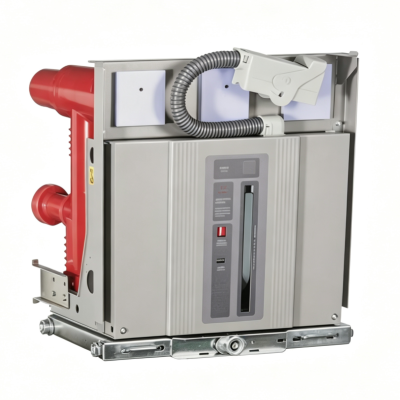
Circuit breakers provide comprehensive switching and protection functions and are essential in many medium-voltage applications. However, their advanced operating mechanisms, protection relays, control systems, and auxiliary components can increase the overall cost and complexity of a switchgear installation.
For a simple transformer feeder, commercial building, small industrial facility, or compact distribution system, these additional functions may not always be necessary.
A load switch-fuse combination offers a different approach. Instead of using a sophisticated breaker and relay system for every outgoing circuit, the switch handles normal operation while the fuse provides fast protection against high-current faults.
1. Lower Initial Investment
One of the most attractive advantages is cost efficiency. A circuit-breaker feeder normally requires more components, including the breaker mechanism, protection relay, current transformers, control wiring, and associated auxiliary equipment.
By comparison, a load switch and fuse arrangement can use a relatively simple mechanical switching mechanism and dedicated current-limiting fuses. This can reduce both equipment cost and the complexity of the switchgear panel.
For projects involving a large number of transformer feeders, the savings can become significant.
2. Fast Short-Circuit Protection
High-voltage current-limiting fuses can respond extremely quickly when a severe short circuit occurs. Their operating characteristics allow them to limit the fault current and reduce the thermal and mechanical stress imposed on downstream equipment.
This is particularly useful for transformer protection. When correctly selected according to transformer rating, inrush current, short-circuit withstand capability, and coordination requirements, the fuse can provide effective protection while allowing normal transformer energization.
The protection principle is therefore straightforward: the load switch manages normal load switching, while the fuse operates during major fault conditions.
3. Compact and Simple Construction
Space is often an important consideration in medium-voltage distribution equipment. A circuit breaker with its operating mechanism, control components, and protection system can require more space and a more complicated internal arrangement.
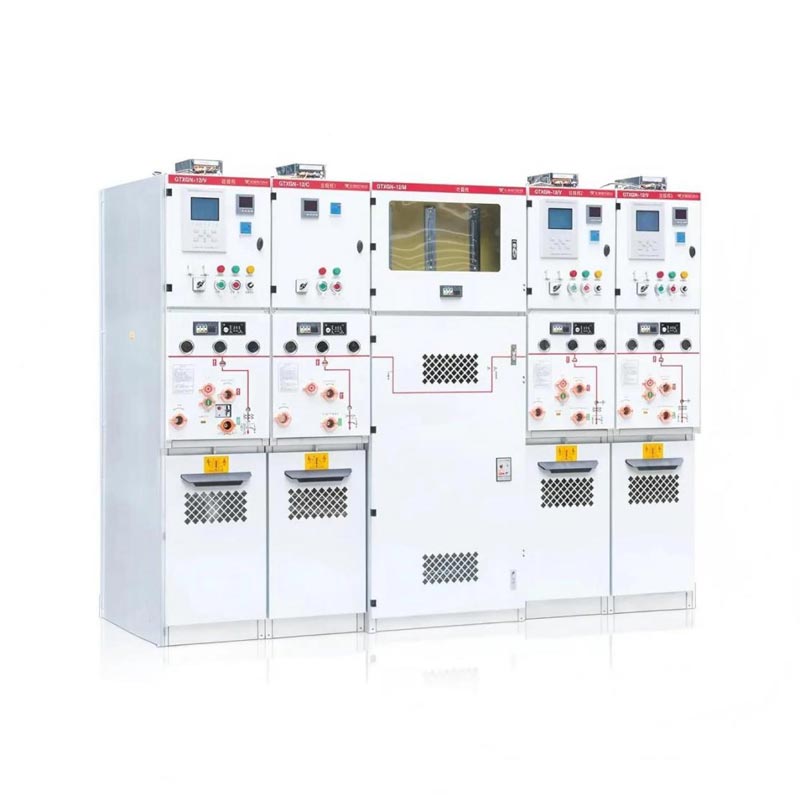
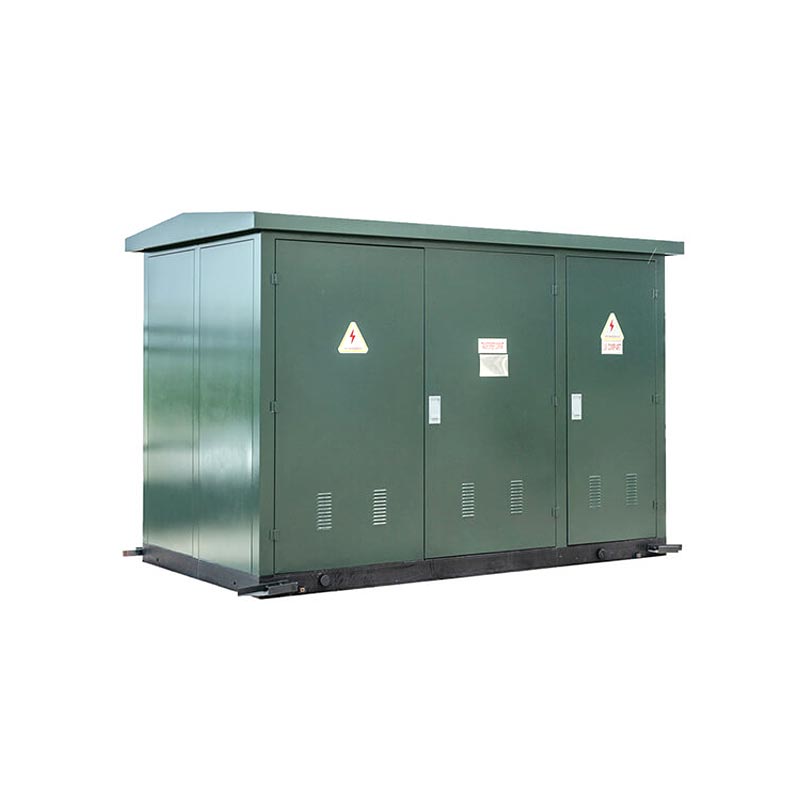
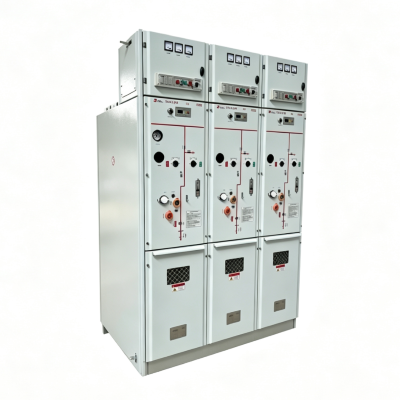
A fuse-based feeder can be designed with fewer active components. This makes it suitable for compact switchgear, ring main units, transformer substations, and distribution systems where installation space is limited.
The simpler construction can also make equipment easier to manufacture, install, and operate.
4. Reduced Maintenance Requirements
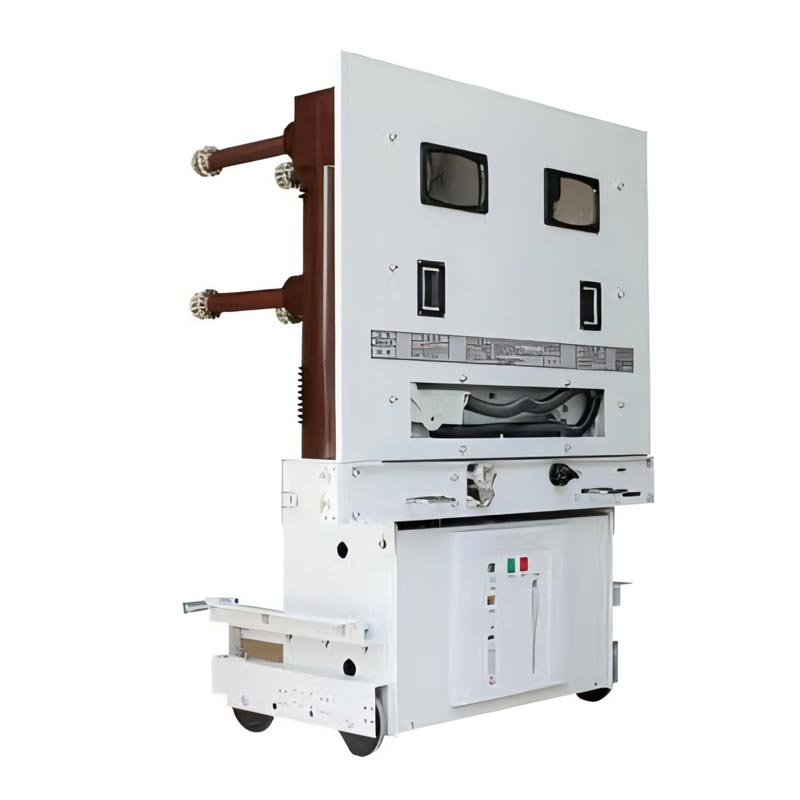
A circuit breaker contains a mechanical operating mechanism that must be inspected and maintained over its service life. Depending on the design, additional electrical and electronic components may also require testing.
A load switch generally has a simpler mechanism because it is primarily responsible for normal load switching rather than interrupting high short-circuit currents. The fuse itself does not require routine mechanical maintenance; after operation, however, the fuse must be replaced.
For applications with relatively predictable operating conditions and limited switching frequency, this arrangement can offer a practical maintenance advantage.
5. Where Is This Solution Most Suitable?
The choice between a circuit breaker and a fuse-based solution should always be based on the electrical design rather than price alone.
A load switch-fuse arrangement is commonly considered for applications such as:
- Medium-voltage transformer feeders
- Compact substations
- Commercial and residential distribution
- Industrial distribution systems
- Ring main units
- Small and medium-sized power distribution networks
- Projects where space and equipment cost are important considerations
For feeders that require frequent switching, advanced protection functions, remote control, selective coordination, or detailed protection settings, a circuit breaker may be the better solution.
Load Switch-Fuse vs. Circuit Breaker: Which One Should You Choose?
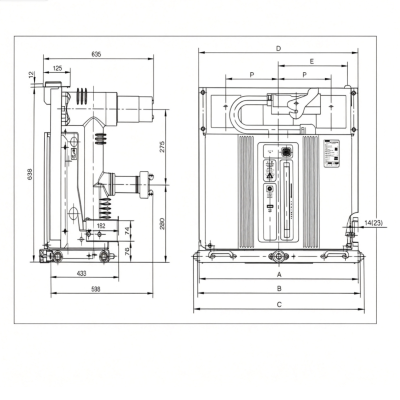
There is no universal answer. The appropriate solution depends on the required protection functions, transformer capacity, fault level, operating frequency, coordination requirements, and project budget.
A circuit breaker provides greater flexibility and can be integrated with sophisticated protection and automation systems. It is particularly suitable for applications where frequent operation, remote control, adjustable protection, or selective coordination is required.
A load switch-fuse combination, on the other hand, is attractive when the primary requirement is reliable transformer or feeder protection with a compact, economical, and relatively simple design.
The key is to match the protection technology to the actual duty of the feeder rather than automatically selecting the most sophisticated device.
Conclusion
For many medium-voltage distribution applications, choosing a load switch-fuse combination instead of a circuit breaker can provide a practical balance between protection performance, simplicity, compactness, and cost.
The best solution should always be selected according to the system voltage, transformer rating, fault current, fuse characteristics, coordination requirements, switching duty, and applicable standards. With proper engineering and protection coordination, a fuse-based switching solution can provide reliable performance while keeping the distribution system straightforward and economical.
TAILI Electric provides medium-voltage switchgear and power distribution solutions for different application requirements. Our engineering team can help evaluate the appropriate switching and protection configuration based on project specifications, transformer characteristics, and system requirements.
Related News
- How to Choose the Right Medium Voltage Switchgear for Your Power Distribution Project?
- American vs. European Compact Substation: Which Should You Choose?
- Air vs Solid SF₆-Free 12kV Ring Main Unit – Which One Fits Your Project?
- Why Choose Skid-Mounted Substation for Solar Projects in South America?
- Low Leakage & Long Lifespan: Core Advantages of Taili 36kV SF6 Gas Insulated Switchgear
- Why 36kV SF6 Gas Insulated Switchgear Dominates Modern High-Reliability Power Distribution Projects?
Leave me a message