News
Why Compact Substation Is Transforming Modern Power Distribution?
Compact substations have become a cornerstone of modern electrical distribution systems due to their efficiency, safety, and space-saving design. As urbanization accelerates and energy demand grows, traditional substations are increasingly being replaced or complemented by compact solutions. This article provides an in-depth exploration of compact substations, including their structure, working principles, advantages, applications, installation considerations, and maintenance requirements. It also addresses common customer pain points such as space limitations, safety concerns, installation complexity, and cost optimization.
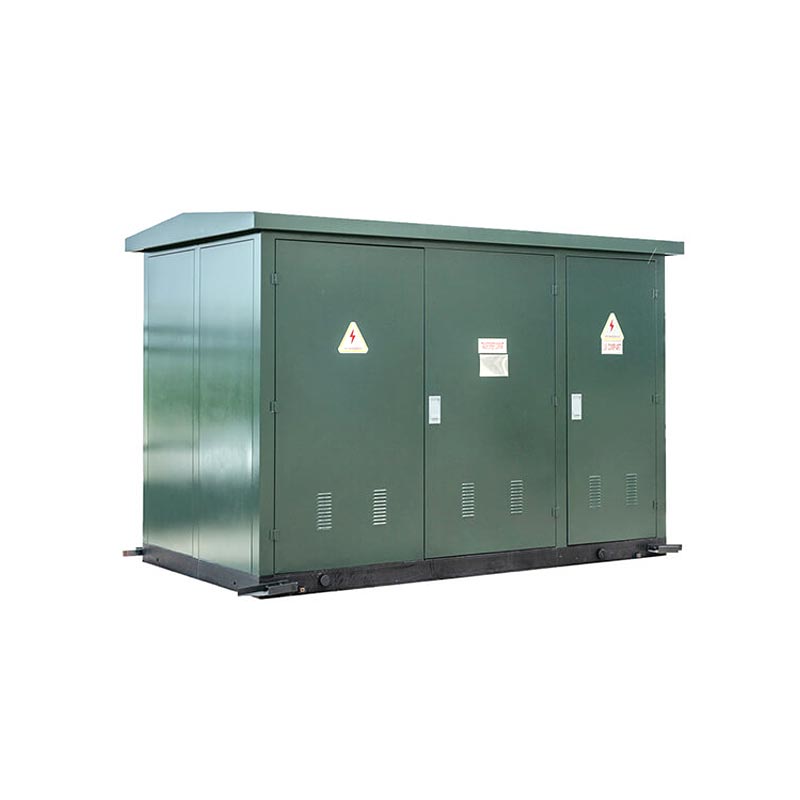
Table of Contents
- 1. Outline Overview
- 2. Introduction to Compact Substation
- 3. Structure and Core Components
- 4. How Compact Substation Works
- 5. Key Advantages
- 6. Applications Across Industries
- 7. Compact vs Traditional Substations
- 8. Installation Considerations
- 9. Maintenance and Safety Guidelines
- 10. Future Development Trends
- 11. Frequently Asked Questions
- 12. Conclusion and Contact
Outline Overview
This article is structured to provide a progressive understanding of compact substations, starting from basic definitions and moving toward advanced engineering insights and practical deployment considerations. It is designed for engineers, procurement managers, infrastructure developers, and decision-makers who require both technical clarity and real-world application knowledge.
Introduction to Compact Substation
A compact substation is a pre-engineered, integrated power distribution unit that combines medium-voltage switchgear, distribution transformers, and low-voltage switchgear in a single enclosed system. Unlike conventional substations that require large outdoor installations, compact substations are designed to minimize footprint while maintaining high operational efficiency and safety.
These systems are widely used in urban infrastructure, industrial plants, renewable energy integration, and commercial buildings where space optimization and rapid deployment are essential.
Structure and Core Components
The compact substation is engineered as a modular system. Each component plays a critical role in ensuring stable and safe power distribution.
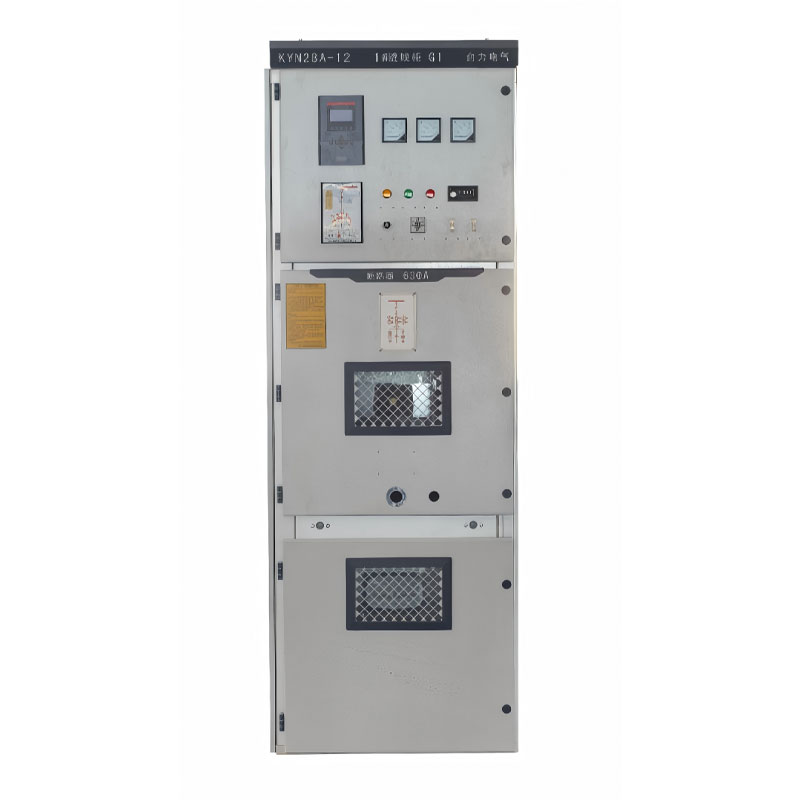
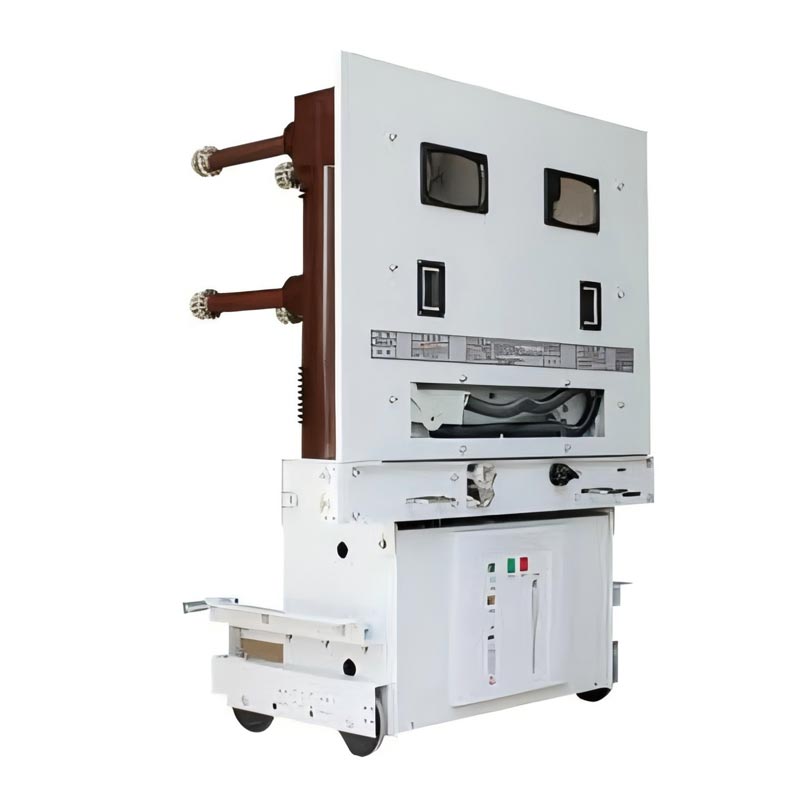
- Medium Voltage Switchgear: Controls incoming electrical power and provides protection against faults.
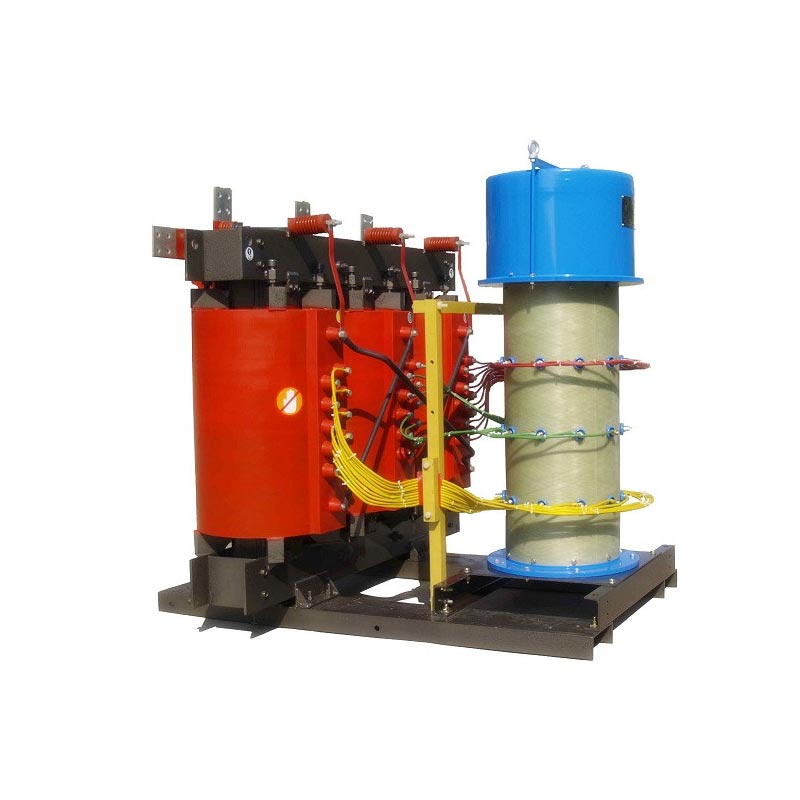
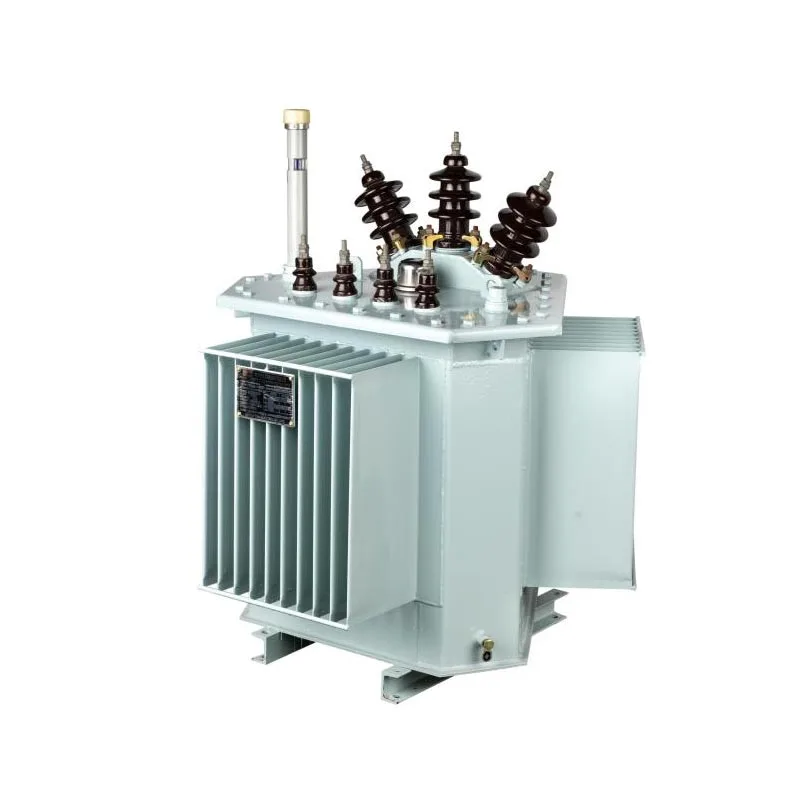
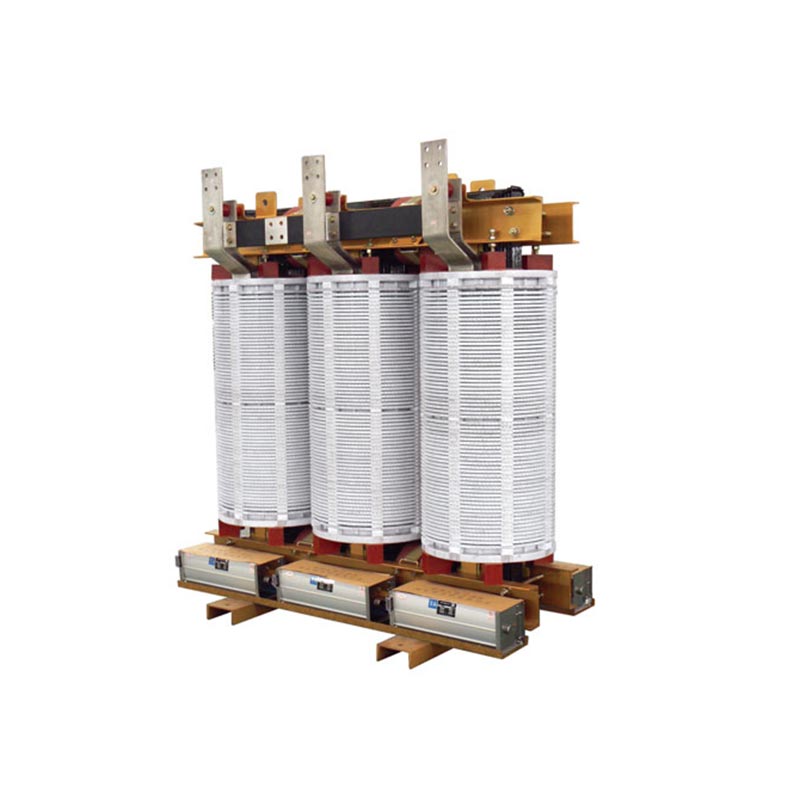
- Power Transformer: Steps down voltage from medium to low levels for end-user applications.
- Low Voltage Switchgear: Distributes electricity safely to various loads.
- Enclosure System: Weatherproof and tamper-resistant housing ensuring operational safety.
- Protection Devices: Circuit breakers, relays, and fuses for fault isolation.
| Component | Function | Importance |
|---|---|---|
| Switchgear | Controls electrical flow | Ensures system safety |
| Transformer | Voltage conversion | Core power adaptation |
| Enclosure | Protection & insulation | Environmental safety |
How Compact Substation Works
The working principle of a compact substation is based on controlled voltage transformation and safe distribution. Electrical energy enters at medium voltage, passes through switchgear for protection, is stepped down by a transformer, and is then distributed via low-voltage switchgear to end users.
The entire process is automated and protected through advanced monitoring systems that detect overloads, short circuits, and voltage irregularities in real time.
Key Advantages of Compact Substation
Compact substations offer a wide range of advantages that make them ideal for modern infrastructure projects.
- Space Efficiency: Requires significantly less installation area compared to traditional substations.
- Fast Deployment: Pre-assembled units reduce installation time.
- High Safety Standards: Enclosed design reduces exposure to live components.
- Low Maintenance: Modular design simplifies servicing.
- Urban Compatibility: Suitable for densely populated areas.
Applications Across Industries
Compact substations are widely used across multiple sectors due to their adaptability and reliability.
- Urban residential complexes
- Commercial buildings and shopping malls
- Industrial manufacturing plants
- Renewable energy projects (solar and wind farms)
- Transportation infrastructure (railways, airports)
Their ability to integrate seamlessly into both indoor and outdoor environments makes them a preferred solution for modern energy systems.
Compact vs Traditional Substations
| Feature | Compact Substation | Traditional Substation |
|---|---|---|
| Space Requirement | Minimal | Large |
| Installation Time | Fast | Long |
| Maintenance | Low | High |
| Safety | High (enclosed) | Moderate |
Installation Considerations
Installing a compact substation requires careful planning to ensure safety, efficiency, and long-term performance.
- Proper site selection with stable ground conditions
- Adequate ventilation for transformer heat dissipation
- Compliance with local electrical regulations
- Accessibility for maintenance operations
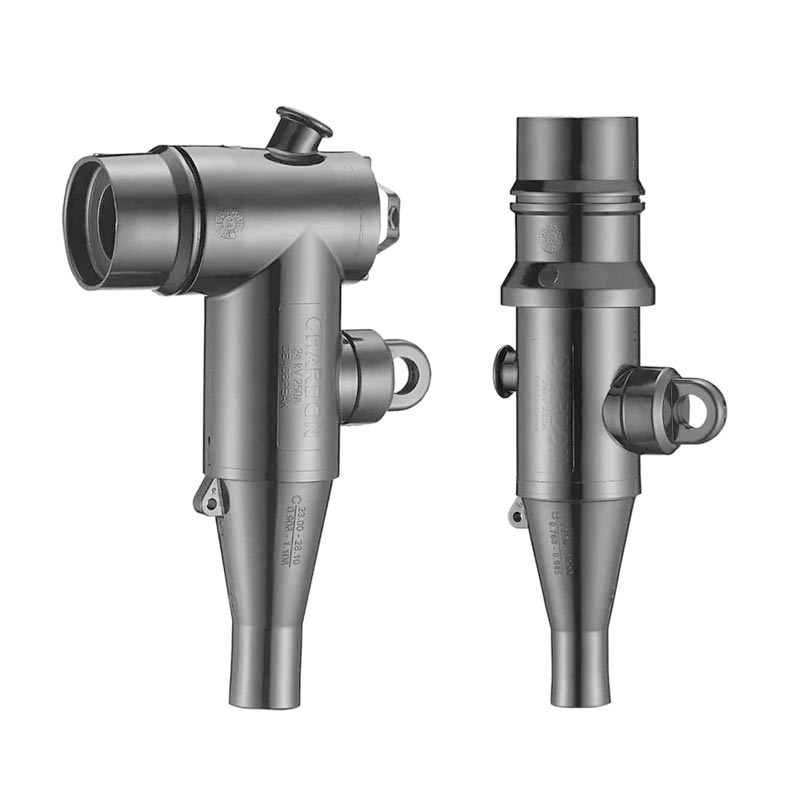
- Lightning and grounding protection systems
Pre-engineered designs significantly reduce on-site construction complexity, making installation more predictable and cost-efficient.
Maintenance and Safety Guidelines
Although compact substations are designed for low maintenance, periodic inspection ensures long-term reliability.
- Regular inspection of insulation systems
- Thermal monitoring of transformers
- Cleaning of enclosure ventilation systems
- Testing of protective relays and breakers
- Grounding system verification
Safety procedures must always be followed when accessing internal components, and only trained personnel should perform maintenance tasks.
Future Development Trends
The future of compact substations is closely tied to digitalization and renewable energy integration.
- Smart monitoring systems with IoT integration
- AI-based predictive maintenance
- Enhanced energy efficiency designs
- Integration with solar and wind microgrids
- Eco-friendly insulating materials
As global energy systems evolve, compact substations will play an increasingly critical role in decentralized and intelligent power distribution networks.
Frequently Asked Questions
Q1: What is the main purpose of a compact substation?
It is used to safely transform and distribute electrical power in a compact, enclosed system suitable for urban and industrial environments.
Q2: How long does a compact substation last?
With proper maintenance, it can operate efficiently for 20–30 years or more.
Q3: Is it suitable for outdoor installation?
Yes, most compact substations are weatherproof and designed for outdoor use.
Q4: What industries benefit most from compact substations?
Construction, manufacturing, renewable energy, and urban infrastructure projects benefit the most.
Q5: Are compact substations customizable?
Yes, they can be customized based on voltage level, capacity, and environmental requirements.
Conclusion and Contact
Compact substations represent a major advancement in power distribution technology. Their ability to combine efficiency, safety, and compact design makes them indispensable for modern infrastructure development. As cities continue to grow and energy systems become more complex, the demand for reliable and space-efficient solutions will only increase.
If you are planning a power distribution project or looking to upgrade your electrical infrastructure, choosing the right compact substation solution is critical to long-term success. Taili Electric Co., Ltd. provides high-quality compact substation solutions designed for reliability, safety, and performance across diverse applications.
👉 For professional consultation, technical support, or customized solutions, feel free to contact us at Taili Electric Co., Ltd. Our engineering team is ready to assist you with tailored power distribution solutions that meet your project requirements.
Related News
- How to Choose the Right Medium Voltage Switchgear for Your Power Distribution Project?
- Why Choose a Load Switch-Fuse Combination Over a Circuit Breaker?
- American vs. European Compact Substation: Which Should You Choose?
- Air vs Solid SF₆-Free 12kV Ring Main Unit – Which One Fits Your Project?
- Why Choose Skid-Mounted Substation for Solar Projects in South America?
- Low Leakage & Long Lifespan: Core Advantages of Taili 36kV SF6 Gas Insulated Switchgear
Leave me a message