News
Why Are Heat Shrink Cable Accessories Essential for Modern Power Systems?
Heat Shrink Cable Accessories play a critical role in electrical insulation, cable protection, environmental sealing, and long-term power transmission safety. From industrial substations to renewable energy projects, these accessories help reduce failures, improve cable durability, and ensure reliable electrical performance in harsh environments.
Article Summary
This comprehensive guide explores everything you need to know about Heat Shrink Cable Accessories, including their working principles, major types, industrial applications, installation methods, advantages, material technologies, maintenance requirements, and common purchasing considerations. Whether you are an electrical engineer, contractor, distributor, or project manager, this article will help you understand how to choose the right cable accessories for safe and efficient electrical systems.
Contents
- 1. What Are Heat Shrink Cable Accessories?
- 2. How Do Heat Shrink Cable Accessories Work?
- 3. Main Types of Heat Shrink Cable Accessories
- 4. Key Advantages of Heat Shrink Technology
- 5. Industrial Applications
- 6. Materials Used in Heat Shrink Accessories
- 7. How to Select the Right Cable Accessories
- 8. Installation Process and Best Practices
- 9. Heat Shrink vs Cold Shrink Accessories
- 10. Maintenance and Inspection Tips
- 11. Common Mistakes to Avoid
- 12. Future Trends in Cable Accessories
- 13. FAQ
- 14. Conclusion
1. What Are Heat Shrink Cable Accessories?
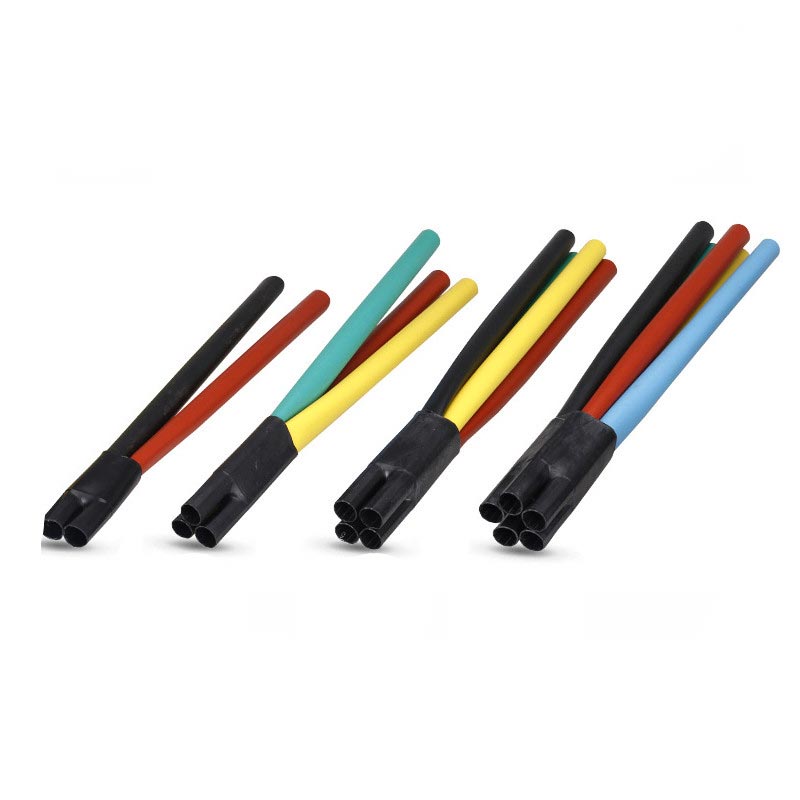
Heat Shrink Cable Accessories are specially engineered components used to insulate, protect, seal, and terminate electrical cables. These accessories are manufactured using polymer materials that shrink when exposed to heat, creating a tight and secure fit around cables and connectors.
They are widely used in medium-voltage and low-voltage electrical systems because they provide reliable insulation, moisture resistance, mechanical strength, and environmental protection. Their versatility makes them ideal for power distribution networks, industrial automation, transportation infrastructure, renewable energy systems, telecommunications, and underground cable installations.
Typical heat shrink accessories include:
- Heat shrink tubing
- Cable terminations
- Joint kits
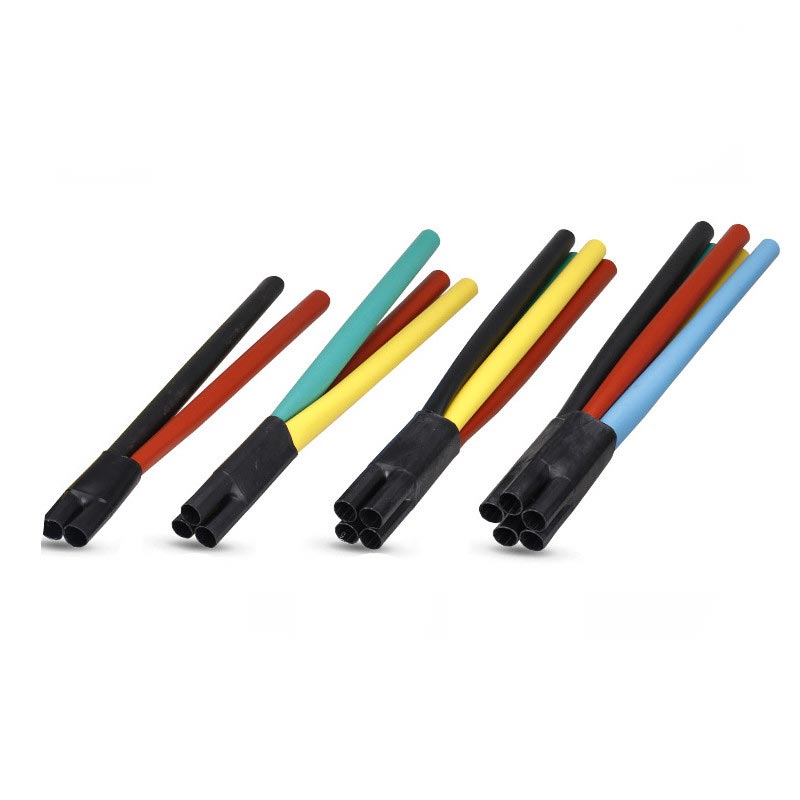
- Breakout boots
- Busbar insulation sleeves
- Stress control tubes
- Anti-tracking insulation systems
As modern electrical systems become more complex, the demand for durable and high-performance cable accessories continues to increase globally.
2. How Do Heat Shrink Cable Accessories Work?
The working principle of heat shrink technology is based on thermally expandable polymer materials. During manufacturing, the polymer tubing is expanded under controlled conditions and cooled to maintain its expanded shape. When heat is applied during installation, the material attempts to return to its original dimensions.
This shrinking action creates a tight seal around the cable surface, ensuring:
- Electrical insulation
- Waterproof sealing
- Mechanical protection
- Corrosion resistance
- Strain relief
The installation process usually involves using a gas torch or heat gun to evenly heat the material until it fully conforms to the cable structure.
| Step | Description |
|---|---|
| Expansion | Material is expanded during manufacturing. |
| Positioning | Accessory is placed over the cable area. |
| Heating | Heat is applied uniformly. |
| Shrinking | Material contracts tightly around the cable. |
| Final Protection | A durable insulated seal is formed. |
3. Main Types of Heat Shrink Cable Accessories
Heat shrink systems are available in various designs depending on voltage levels, environmental conditions, and cable structures.
Heat Shrink Tubing
Used for insulation, bundling, and protection of electrical conductors.
Cable Joint Kits
Designed to reconnect damaged or separated cable sections safely.
Cable Terminations
Provide safe end connections between cables and electrical equipment.
Busbar Insulation Tubes
Improve insulation and reduce electrical clearance issues in switchgear systems.
4. Key Advantages of Heat Shrink Technology
One of the biggest reasons engineers choose heat shrink accessories is their long-term reliability and excellent environmental resistance.
- Excellent dielectric strength
- Resistance to UV exposure
- Protection against moisture and chemicals
- Strong mechanical durability
- Compact and lightweight design
- Long service life
- Easy field installation
- Suitable for harsh environments
Compared with traditional insulation methods, heat shrink systems significantly reduce installation complexity while improving operational safety.
5. Industrial Applications
Heat Shrink Cable Accessories are used across numerous industries due to their adaptability and reliability.
| Industry | Typical Applications |
|---|---|
| Power Utilities | Substations, underground cable networks |
| Renewable Energy | Solar farms and wind turbine systems |
| Railway Systems | Signal and power cable protection |
| Oil & Gas | Corrosion-resistant cable insulation |
| Manufacturing Plants | Machine wiring and automation systems |
Modern smart grids and renewable energy systems especially depend on high-quality cable accessories to ensure uninterrupted power transmission.
6. Materials Used in Heat Shrink Accessories
The performance of heat shrink products largely depends on the material composition.
Common materials include:
- Cross-linked polyolefin
- Silicone rubber
- EPDM rubber
- Fluoropolymers
- PVC compounds
Each material offers different characteristics such as flame retardancy, chemical resistance, flexibility, and temperature tolerance.
Material Comparison
| Material | Main Benefit |
|---|---|
| Polyolefin | Excellent insulation performance |
| Silicone Rubber | High temperature resistance |
| Fluoropolymer | Chemical resistance |
7. How to Select the Right Cable Accessories
Choosing the right Heat Shrink Cable Accessories requires careful evaluation of multiple technical factors.
- Cable voltage rating
- Operating temperature range
- Environmental conditions
- Indoor or outdoor installation
- UV exposure
- Moisture levels
- Mechanical stress requirements
- Compliance standards
Using improperly matched accessories may lead to insulation failure, electrical tracking, overheating, or moisture penetration.
Professional manufacturers such as Taili Electric Co., Ltd. provide customized solutions for different voltage classes and installation environments, helping customers improve operational safety and cable system reliability.
8. Installation Process and Best Practices
Correct installation is essential for achieving long-term performance.
The installation process typically includes:
- Cable preparation and cleaning
- Removal of damaged insulation layers
- Placement of stress control components
- Installation of conductive connectors
- Application of heat shrink tubing
- Uniform heating and sealing
- Inspection and testing
Best practices include:
- Using calibrated heating equipment
- Avoiding overheating
- Maintaining proper shrinking sequence
- Following manufacturer guidelines carefully
- Performing post-installation electrical tests
Properly installed heat shrink accessories can maintain reliable operation for decades.
9. Heat Shrink vs Cold Shrink Accessories
Both technologies are widely used, but each offers unique advantages.
| Feature | Heat Shrink | Cold Shrink |
|---|---|---|
| Installation | Requires heat source | No heat required |
| Mechanical Strength | Very high | Moderate |
| Cost | Generally lower | Usually higher |
| Environmental Sealing | Excellent | Good |
10. Maintenance and Inspection Tips
Although heat shrink systems require minimal maintenance, routine inspections are still necessary for critical infrastructure.
- Check for surface cracking
- Inspect for discoloration or overheating
- Verify moisture sealing integrity
- Monitor insulation resistance values
- Inspect mechanical stress points
Preventive maintenance helps identify potential issues before system failures occur.
11. Common Mistakes to Avoid
Several installation and selection mistakes can reduce the effectiveness of heat shrink cable accessories.
- Using incorrect tubing sizes
- Uneven heating during installation
- Ignoring environmental exposure factors
- Using low-quality materials
- Skipping electrical testing procedures
- Improper cable surface preparation
Choosing certified products from experienced suppliers significantly reduces operational risks.
12. Future Trends in Cable Accessories
The global electrical industry is rapidly evolving, and cable accessory technology continues to advance.
Key trends include:
- Smart monitoring integration
- Eco-friendly insulation materials
- Higher voltage compatibility
- Improved fire-resistant technologies
- Compact designs for urban infrastructure
- Enhanced renewable energy compatibility
Manufacturers are increasingly focusing on improving durability, sustainability, and installation efficiency to meet modern infrastructure demands.
13. FAQ
Can Heat Shrink Cable Accessories Be Used Outdoors?
Yes. High-quality heat shrink products are designed to resist UV radiation, moisture, pollution, and temperature fluctuations, making them suitable for outdoor installations.
What Voltage Levels Are Supported?
Heat shrink accessories are available for low-voltage, medium-voltage, and high-voltage cable systems depending on design specifications.
How Long Do Heat Shrink Accessories Last?
Properly installed products can last over 20 years under normal operating conditions.
Are Heat Shrink Accessories Waterproof?
Most heat shrink systems provide excellent waterproof sealing when installed correctly.
Why Is Proper Installation Important?
Incorrect installation may lead to insulation failure, moisture ingress, and electrical breakdowns.
14. Conclusion
Heat Shrink Cable Accessories have become indispensable components in modern electrical infrastructure. Their ability to provide reliable insulation, environmental sealing, and long-term mechanical protection makes them essential for power transmission and distribution systems worldwide.
As industries continue to demand safer and more efficient electrical networks, selecting high-quality cable accessories becomes increasingly important. From renewable energy installations to industrial automation systems, professionally designed heat shrink products help improve operational stability and reduce maintenance costs.
Taili Electric Co., Ltd. continues to provide advanced Heat Shrink Cable Accessories engineered for durability, safety, and performance across diverse industrial applications.
Contact Taili Electric Co., Ltd. today for professional technical support, customized cable solutions, and competitive product recommendations tailored to your industry requirements.
Related News
- How to Choose the Right Medium Voltage Switchgear for Your Power Distribution Project?
- Why Choose a Load Switch-Fuse Combination Over a Circuit Breaker?
- American vs. European Compact Substation: Which Should You Choose?
- Air vs Solid SF₆-Free 12kV Ring Main Unit – Which One Fits Your Project?
- Why Choose Skid-Mounted Substation for Solar Projects in South America?
- Low Leakage & Long Lifespan: Core Advantages of Taili 36kV SF6 Gas Insulated Switchgear
Leave me a message