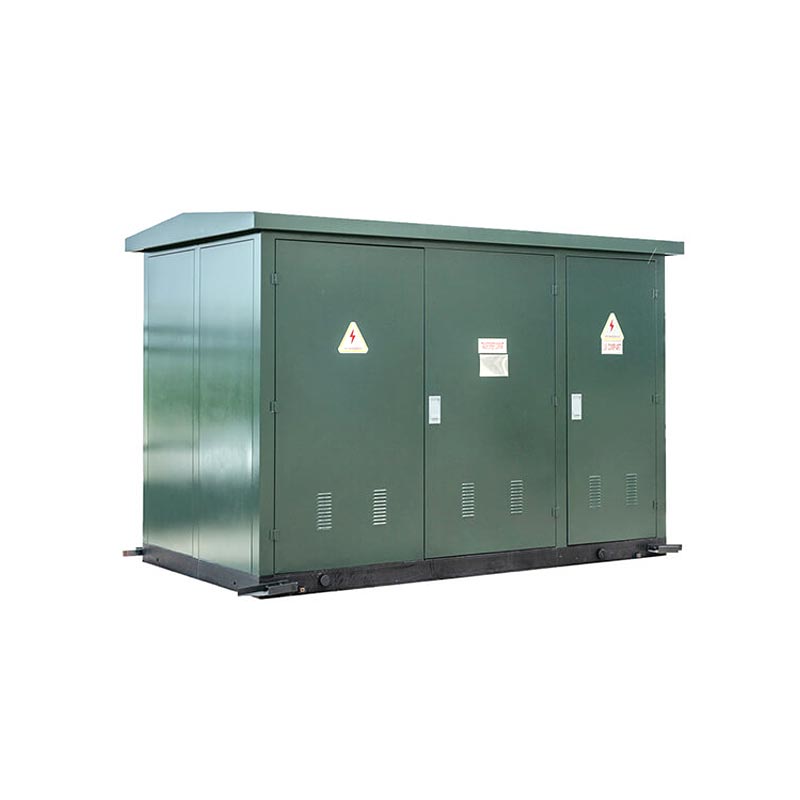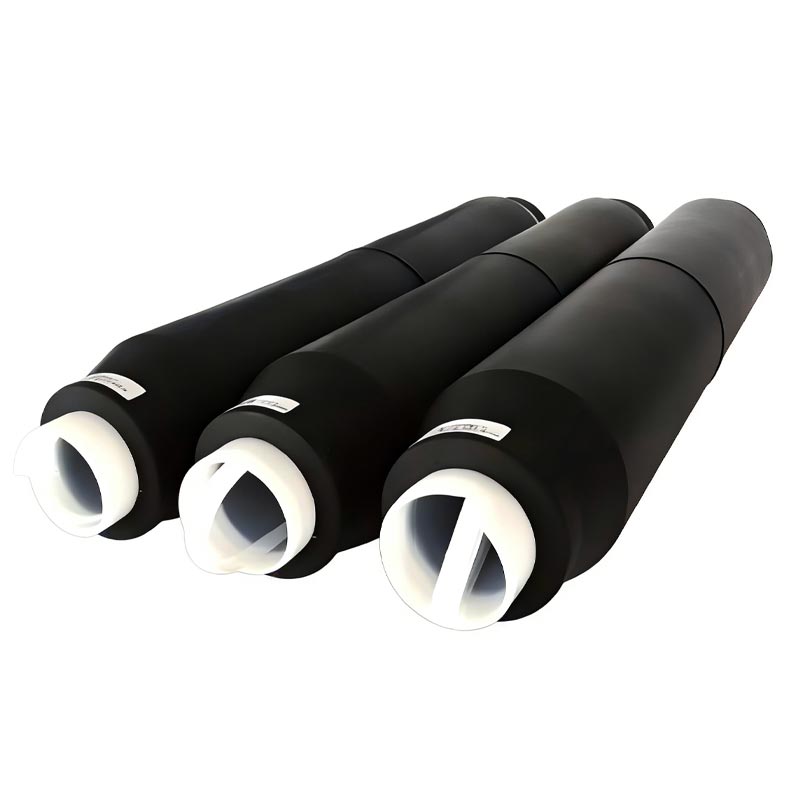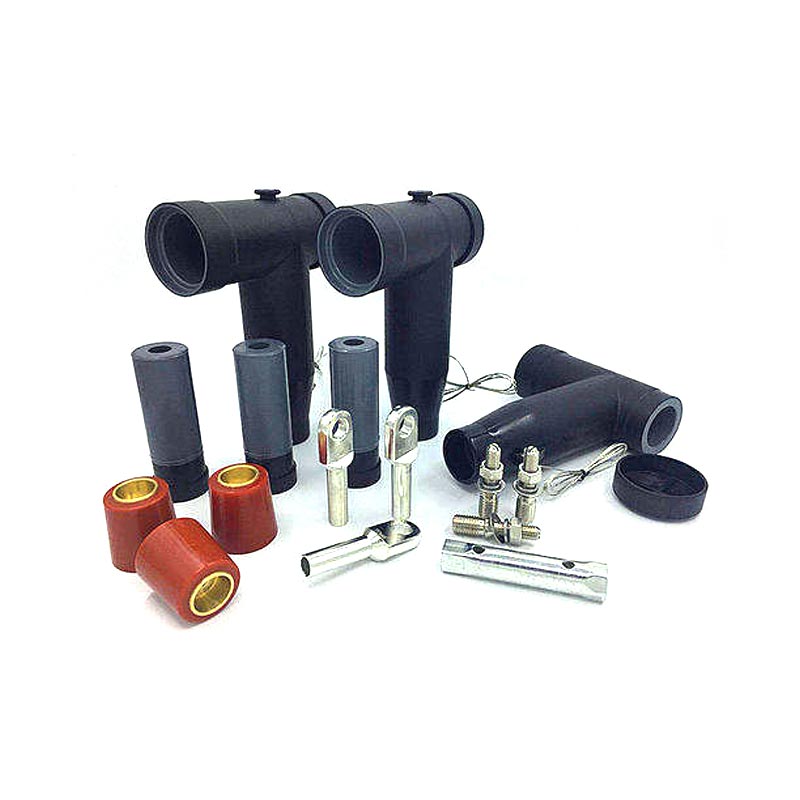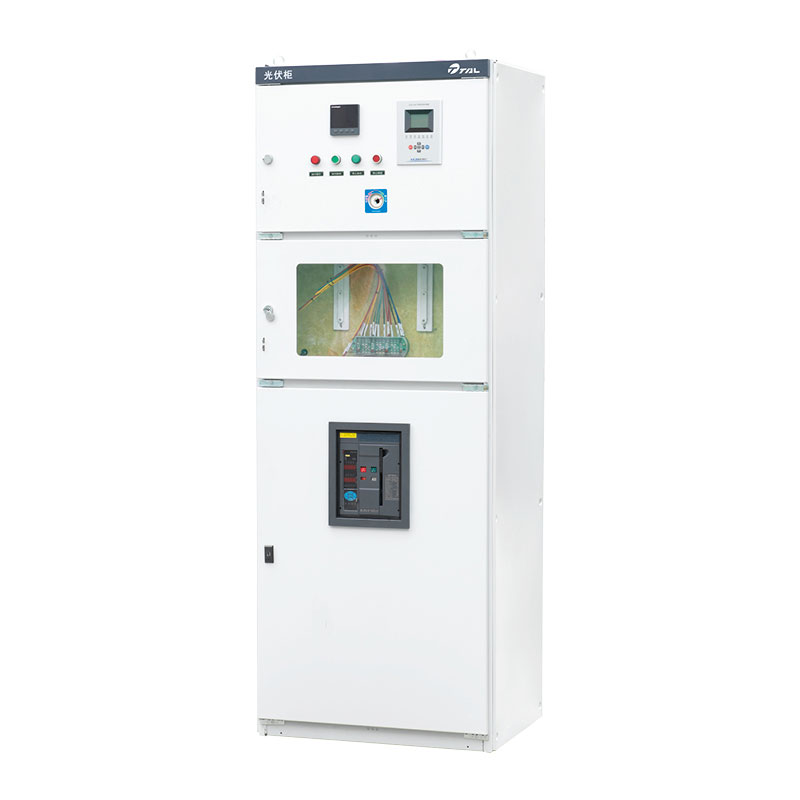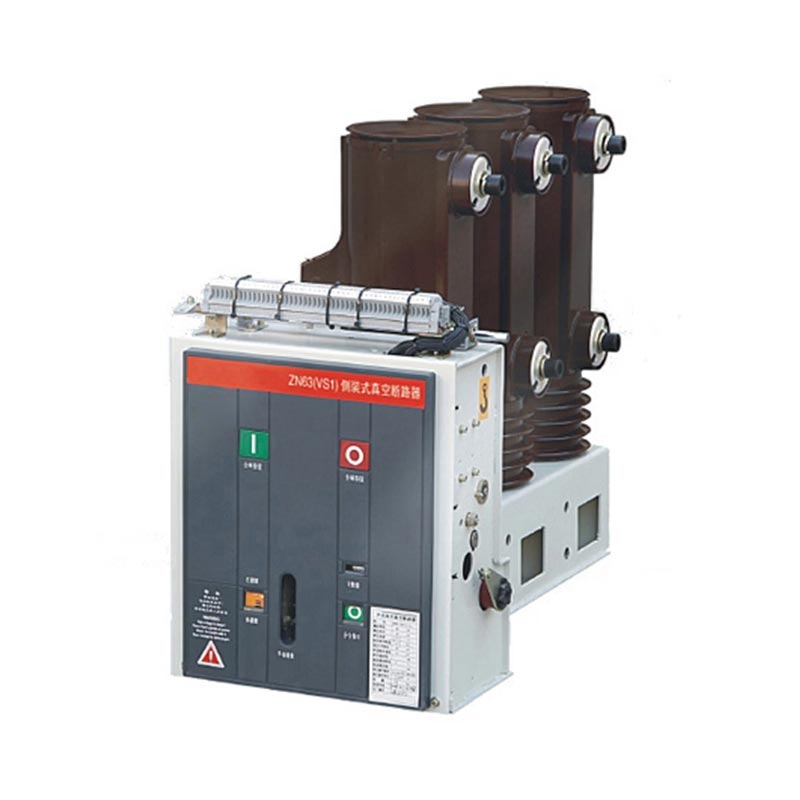
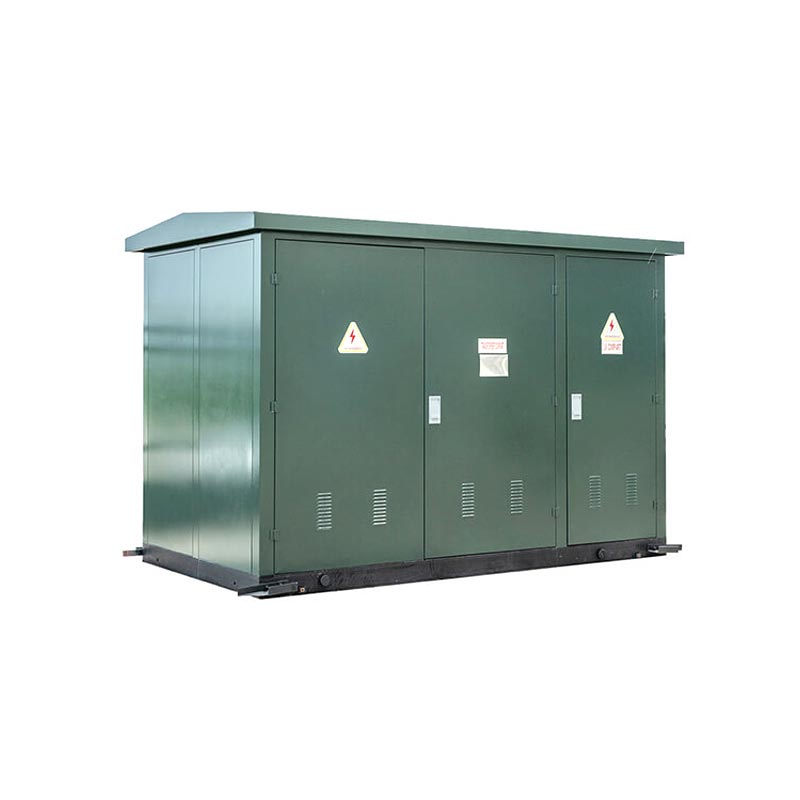
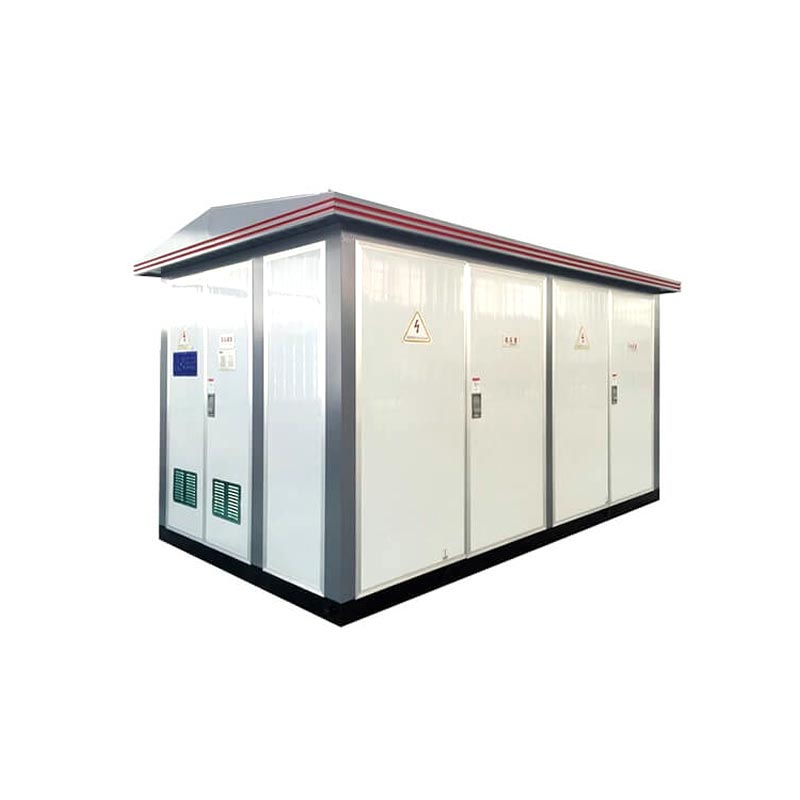
Taili acts as an experienced factory that delivers Dry Type Compact Substation for Power Distribution Systems, a complete pre‑assembled power distribution suite built for modern power distribution infrastructure projects. Drawing on years of manufacturing experience in power transmission equipment, the brand designs this integrated unit to resolve common pain points including large site occupation, lengthy on‑site assembly and hidden fire hazards that trouble traditional substation builds. As one mature integrated power hardware solution, it combines core functional components inside sealed cabinet structures for fast deployment across different distribution network sites.
Core Functional Composition of Power Distribution Oriented Compact Substation
Every unit is factory pre‑assembled before shipment, gathering all necessary substation modules inside enclosed housings, removing massive field‑welding and component assembly work. The whole assembly covers three core functional sections that support normal power distribution operation.
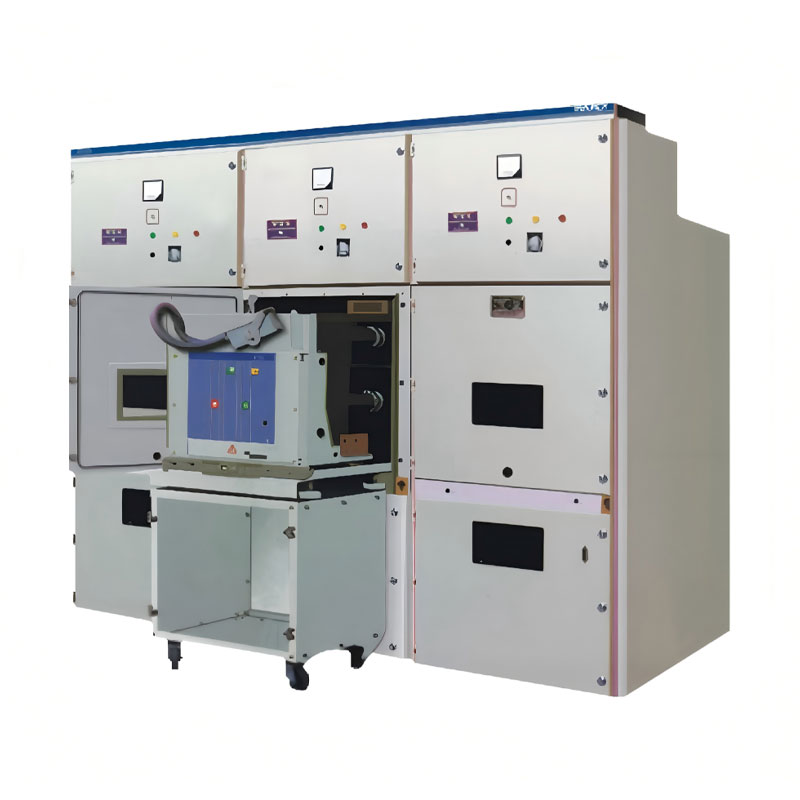
1. Medium‑voltage switchgear section: Handles incoming high‑voltage power, completes protection, switching and isolation work for upstream power lines.
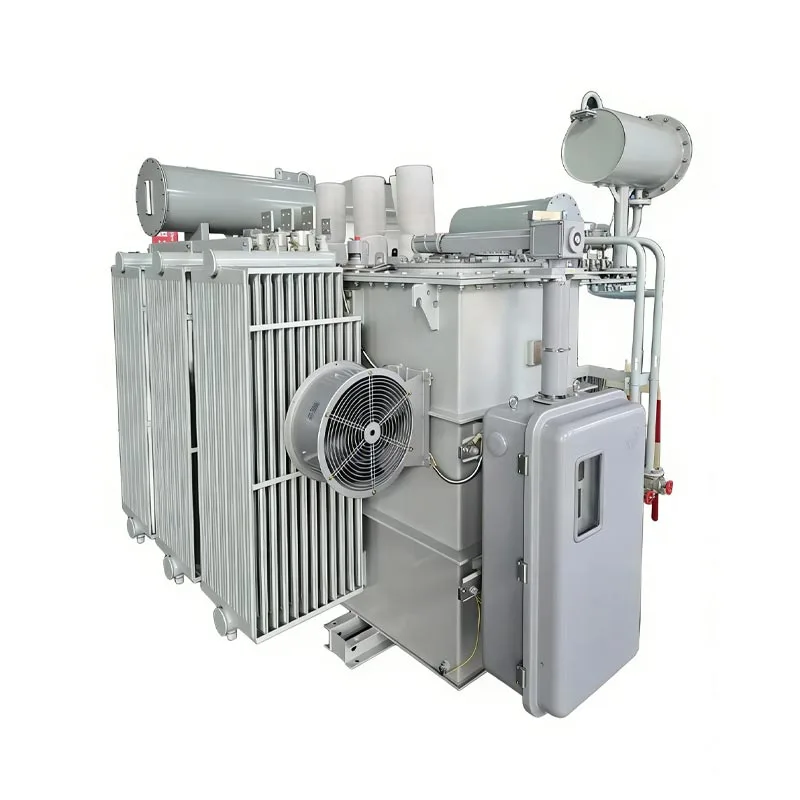
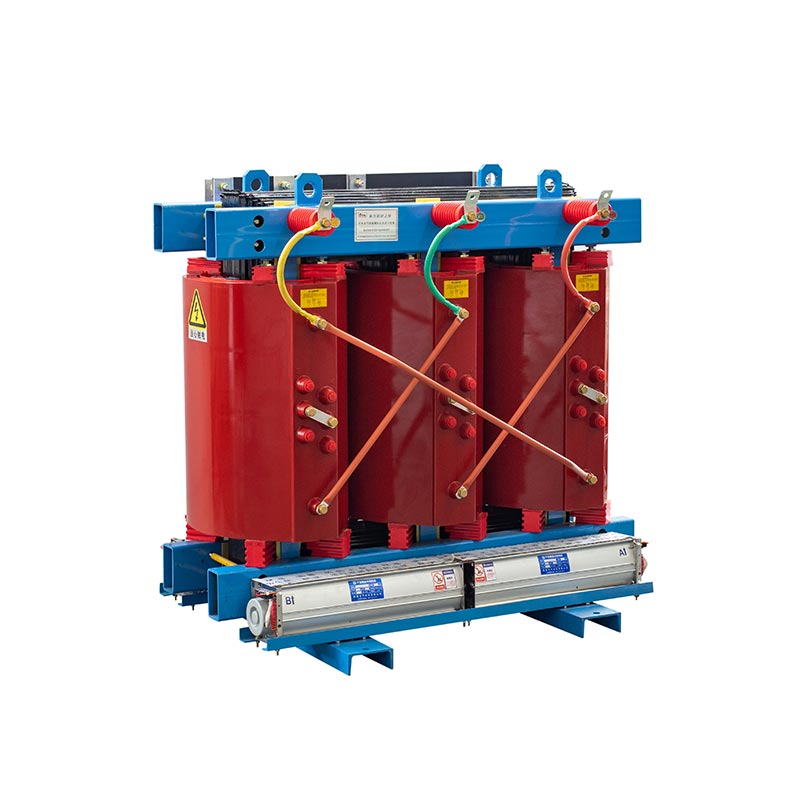
2. Dry‑type transformer section: Realizes voltage conversion without insulating oil, eliminating oil‑leakage‑related risks for distribution sites.
3. Low‑voltage switchgear section: Distributes converted electric power to downstream loads, fitted with protection elements against overload and short‑circuit faults.
All modules are compactly arranged inside shared enclosures, and such factory‑integrated design guarantees consistent assembly quality for each Dry Type Compact Substation for Power Distribution Systems before delivery. On‑site workers only need to finish foundation fixing and cable connection to put the whole device into service.
Key Operational Advantages for Power Distribution Network Deployment
For power distribution system operators, project contractors and engineering firms, performance stability and low lifecycle workload rank high during equipment selection. This integrated substation brings multiple practical benefits for distribution network construction and upgrading tasks.
1. Space‑saving layout: Compared with civil‑built substations, the enclosed cabinet design greatly cuts land occupation, which carries great value for sites with limited available land resources.
2. Enhanced site safety performance: Adopting dry‑type transformer structure, there exists no flammable insulating oil inside the cabinet. Fully‑closed shell structure blocks dust, moisture and small animals from entering inner functional compartments, lowering unexpected equipment failure probabilities.
3. Accelerated project timeline: Most assembly, wiring and testing work gets completed inside the manufacturing workshop. After goods arrive at project locations, installation progress will not rely heavily on complex on‑site construction procedures.
4. Flexible relocation capability: When power load layout of distribution networks changes later, the whole unit can be transported and reinstalled at alternative power supply points without discarding major hardware assets.
To sum up, Dry Type Compact Substation for Power Distribution Systems balances safety, installation efficiency and operational stability, making it a practical hardware option for expanding or renovating public and private power distribution infrastructure.
Typical Application Scenarios Within Power Distribution Infrastructure
Designed to serve power distribution systems, this compact substation fits multiple locations where centralized voltage transformation and power distribution capacity are required. It performs well when placed close to actual load centers, which helps optimize output power quality for end‑users.
1. Urban public power distribution nodes: Urban zone reconstruction projects where land resources are tight, substituting traditional brick‑built substation rooms.
2. New district development projects: Newly‑built zones waiting for supporting power facilities, requiring fast‑to‑commission power transformation hardware.
3. Auxiliary distribution points for large complex sites: Parks, comprehensive zones that need decentralized power supply points scattered across the whole area.
4. Temporary or phased‑construction projects: Projects with shifting load demands, where equipment may need to be moved to new positions in later construction phases.
When evaluating site conditions, engineers should verify ambient humidity, dust level and space for cabinet placement, to ensure Dry Type Compact Substation for Power Distribution Systems can run under qualified external environmental conditions.
Performance Gap Against Oil‑Immersed Compact Substation Units
Procurement teams often compare dry‑type compact substation solutions with oil‑immersed alternatives during technical evaluation. The below table lists practical differences covering core performance dimensions for power distribution projects.
| Type | Dry type compact substation | Oil immersed compact substation |
| Type of transformer | Dry type | Oil‑immersed |
| Safety | High safety, fireproof and explosion‑proof | Low safety level, with oil leakage and fire risks. |
| Environmental friendliness | No pollution | Oil leakage will pollute the environment. |
| Maintenance | Simple and convenient | Complex. Regular checks on oil level and quality are required. |
| Cost | Higher | Lower |
| Applicable locations | For indoor areas with high safety requirements and densely populated areas | Outdoor and open areas that are sensitive to costs |
For power distribution systems with high safety requirements, dry‑type configuration avoids risks brought by insulating oil, though the initial procurement expenditure sits higher. If project sites locate at crowded zones or indoor premises, the safety advantage of this solution outweighs upfront cost concerns for most long‑term operated distribution assets.
Technical Confirmation Items Before Formal Quotation
To deliver units that perfectly match power distribution project requirements, the engineering team needs key input parameters from buyers. Providing complete project information helps avoid specification mismatch after manufacturing completion.
| Product application scenarios | |
| Product technical parameters |
Before finalizing the contract, it is essential to jointly confirm with the supplier the primary system diagram, secondary schematic diagram, floor layout diagram, and interface dimension diagram based on the above parameters. This is the ultimate guarantee to ensure that the box transformer perfectly meets your project requirements. Taili’s technical team holds rich experience cooperating with global power‑related contractors, and can walk clients through drawing review and specification confirmation procedures for Dry Type Compact Substation for Power Distribution Systems.
Manufacturing Quality Assurance & Project Delivery Support
Based on internal workshop management and accumulated export project experience, quality control runs through every production phase. Component incoming inspection, assembly process check and finished‑product testing are executed before goods leave the factory. The brand has taken part in industry exhibitions and communicated with global industry practitioners, accumulating practical insights for power distribution equipment manufacturing.
1. Pre‑delivery full‑function test: Each finished unit undergoes necessary testing procedures inside the factory, to verify switching action, protection response and insulation performance.
2. Documentation supply: Relevant technical documents will be supplied together with finished goods, supporting later site commissioning and routine maintenance work.
3. Packaging and shipment arrangement: Suitable export‑grade packaging is adopted to protect cabinet shell and inner components during long‑distance sea or land transportation, preventing collision‑caused damage.
After goods arrive at destination, buyers still need to arrange qualified local electric personnel to carry out installation, commissioning and periodic inspection work following official technical documentation.
Frequently Asked Questions
Q: Can this compact substation work under high‑humidity outdoor distribution sites?
A: The fully‑enclosed cabinet shell offers basic moisture‑proof performance. Nevertheless, users need to confirm ambient environmental parameters during technical communication. For persistent high‑humidity outdoor locations, corresponding cabinet anti‑condensation configuration should be added according to actual site conditions, so that the whole unit can achieve stable long‑time running performance.
Q: What kind of foundation preparation work is required on‑site?
A: Site needs solid flat foundation that bears the total weight of the whole compact substation. Foundation dimension shall refer to drawing documents confirmed in advance. Cable channels for incoming and outgoing power cables also need pre‑construction, before equipment is put in place for cable connection work.
Q: How much routine maintenance work does this equipment require?
A: Compared with oil‑immersed counterparts, it removes oil‑level and oil‑quality inspection tasks. Regular work mainly includes cabinet surface inspection, checking connection terminal tightening status, verifying normal operation of protection devices, and clearing dust accumulation inside cabinet compartments on a planned cycle.
Get Project‑Tailored Solution Support
For power distribution system projects searching for factory‑built integrated transformation and distribution hardware, you can send over your project conditions, load parameters and site constraints. Taili’s engineering team will sort out matching technical proposals for Dry Type Compact Substation for Power Distribution Systems. Reliable pre‑sales technical communication and clear drawing confirmation help you prevent specification deviation risks in subsequent project implementation stages.